

HIV Symptoms: Early Signs, Common Symptoms, and What to Look For
Introduction
When it comes to HIV (Human Immunodeficiency Virus), early detection is key. Recognizing the signs and symptoms can be the first step in managing the virus effectively and leading a healthy life. But here’s the tricky part: HIV symptoms can vary from person to person, and they often mimic other common illnesses. So, what should you be on the lookout for? Let’s break it down.
Understanding How HIV Affects the Body
HIV is a virus that attacks the immune system, specifically targeting CD4 cells (or T cells), which are crucial for fighting off infections. If left untreated, HIV can weaken the immune system to the point where it can’t fend off life-threatening infections and diseases, leading to AIDS (Acquired Immunodeficiency Syndrome).
But the good news? With early detection and modern treatment options, people living with HIV can lead long and healthy lives. Recognizing the early and common symptoms of HIV can help you take control of your health sooner rather than later.
Early Signs of HIV: What to Expect
Within 2 to 4 weeks after exposure to HIV, some people experience what’s called Acute Retroviral Syndrome (ARS) or Primary HIV Infection. This is the body’s natural response to the virus and is often mistaken for the flu or other viral illnesses. Here are some of the early signs:
- Fever: One of the most common early signs of HIV is a mild to high fever (often over 100°F/38°C). The fever may be accompanied by other mild symptoms, such as fatigue and swollen lymph glands.
- Fatigue: Feeling extremely tired and weak is another symptom of early HIV. This isn’t just regular tiredness; it can be debilitating, making simple tasks feel exhausting.
- Swollen Lymph Nodes: Lymph nodes are part of your immune system and are located in your neck, armpits, and groin. During the early stages of HIV, your lymph nodes may swell and become tender as your body fights off the infection.
- Sore Throat and Headache: A persistent sore throat and headaches are also common early symptoms. These can make eating and drinking uncomfortable.
- Rash: Skin rashes can occur early on, and they typically appear as red, itchy patches on your body. They may not always be alarming but are often a telltale sign.
- Muscle and Joint Pain: Similar to flu symptoms, body aches, joint pain, and muscle stiffness can occur.
- Night Sweats: Unexplained night sweats that drench your bed sheets are another symptom to be aware of, especially if they persist over several nights.
Have Questions or Concerns About HIV?
Worried about HIV testing, symptoms, transmission, or treatment? Need personalized answers from an expert you can trust? Dr. PJM is here to help. With over 28 years of experience, Dr. PJM offers reliable, personalized guidance tailored to your HIV concerns.
This is a paid consultation service, ensuring you get dedicated attention and expert advice.
Visit the Home Page and Ask Dr. PJM Now!Get the Answers You Need, Today!
Note: Not everyone will experience these early symptoms. Some people may have no symptoms at all, making it even more important to get tested if you think you’ve been exposed to HIV.
HIV Symptoms in Men vs. Women: Is There a Difference?
While many HIV symptoms are similar for men and women, there are some differences to be aware of, especially when it comes to reproductive and urinary health.
HIV Symptoms in Men
- Sores on the Genitals: Men may experience ulcers or sores on the penis or around the genital area. These sores can be painful and are a sign that your immune system is under attack.
- Frequent Infections: Men with HIV may be more prone to urinary tract infections (UTIs) or experience inflammation of the urethra.
- Low Testosterone Levels: HIV can impact testosterone production, leading to symptoms like reduced sex drive, fatigue, and erectile dysfunction.
HIV Symptoms in Women
- Recurrent Vaginal Infections: Women with HIV may experience frequent yeast infections or bacterial vaginosis. These infections are more persistent and harder to treat.
- Menstrual Changes: HIV can cause irregular menstrual cycles or more severe premenstrual symptoms.
- Pelvic Inflammatory Disease (PID): Women with HIV are at higher risk of developing PID, an infection of the reproductive organs that can cause severe pelvic pain.
Overall: Both men and women may experience general symptoms like fever, fatigue, and swollen lymph nodes. However, the differences in reproductive health symptoms highlight the importance of paying attention to what’s specific to your body.
Worried After a Possible HIV Exposure?
Are you concerned about a possible HIV exposure? Do you seek reliable information to navigate your concerns and make informed decisions about your health? Look no further. Dr. P. J. Mazumdar, a highly experienced physician with over 28 years of expertise, offers a meticulously researched book that provides essential guidance and support.
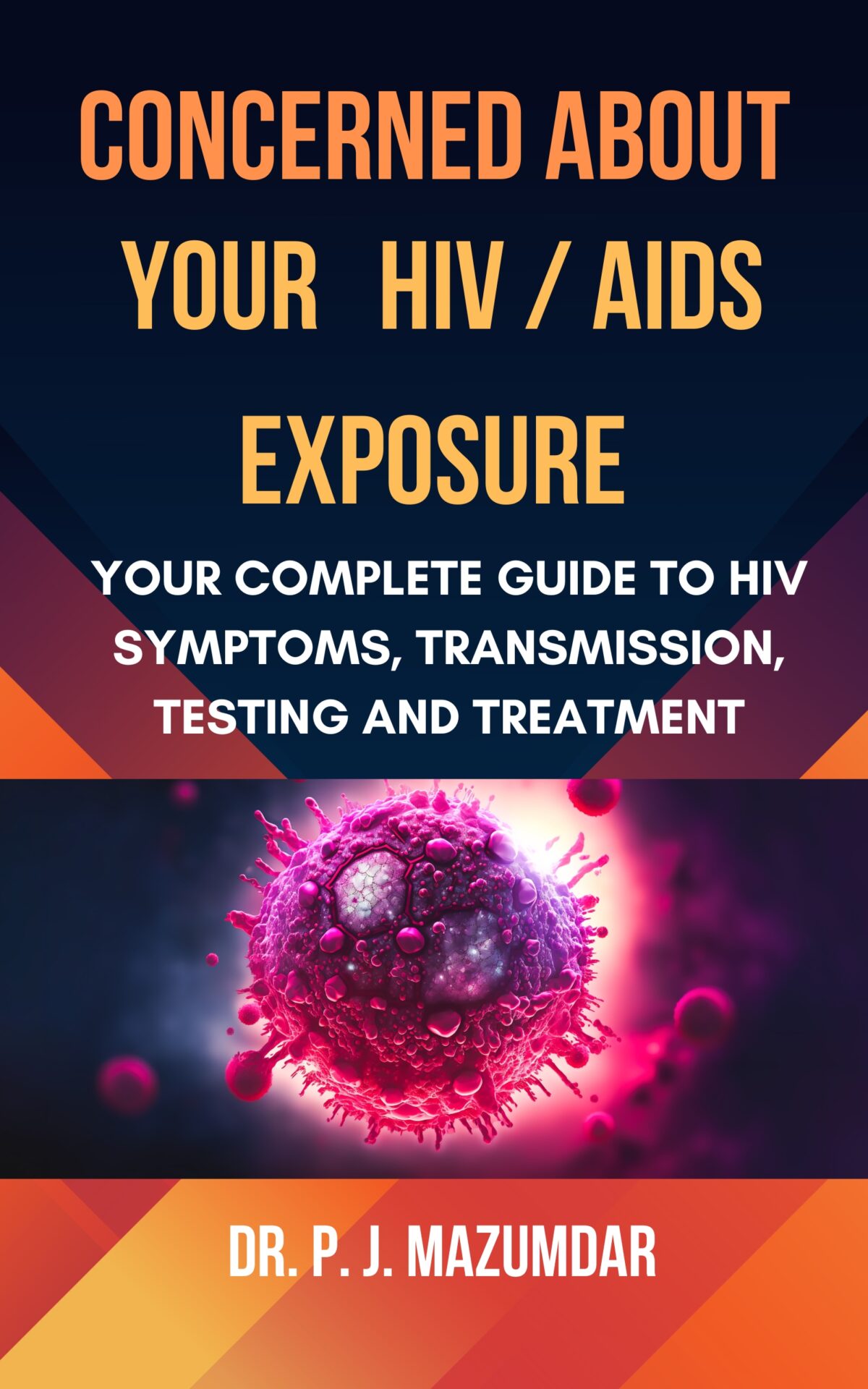
This book provides the information you need for your clarity and understanding.
Don’t Wait. Get Informed.
Available on Amazon Kindle!
Buy Your Copy of “Concerned About Your HIV / AIDS Exposure” Now!Common Symptoms of Chronic HIV
Once the acute phase of HIV passes, the virus may become dormant, and symptoms may disappear for a while. This stage, known as Clinical Latency, can last for several years. However, the virus is still active and can damage the immune system. During this stage, some people may experience:
- Persistent Fatigue: Even without obvious illness, extreme tiredness may linger.
- Weight Loss: Unexplained weight loss, even when you’re eating normally, can be a sign of chronic HIV.
- Skin Rashes and Lesions: Dry, itchy skin and other dermatological issues can continue to crop up.
- Swollen Lymph Nodes: The lymph nodes may remain swollen for months.
- Frequent Infections: As the immune system weakens, infections like pneumonia, oral thrush (a fungal infection in the mouth), and shingles become more common.
If left untreated, HIV can progress to AIDS, characterized by a severely weakened immune system. At this point, opportunistic infections and cancers can take advantage of the compromised immune defenses.
When to Get Tested
If you’ve experienced any of these symptoms, or if you think you’ve been exposed to HIV, it’s important to get tested. Here are some scenarios where testing is strongly recommended:
- After Unprotected Sex: If you’ve had unprotected sex with someone whose HIV status is unknown, get tested. This is especially important if you or your partner have multiple sexual partners.
- If You’ve Shared Needles: If you use intravenous drugs and share needles or equipment, testing is crucial.
- Following an Occupational Exposure: Healthcare workers exposed to potentially infected blood or bodily fluids should seek testing.
- Pregnancy Planning: If you’re planning to have a baby or are already pregnant, get tested to protect your baby from mother-to-child transmission.
HIV Testing Options
HIV testing is quick and can be done at clinics, healthcare providers’ offices, or even at home. Options include:
- Antibody Tests: These tests look for antibodies produced by your immune system in response to HIV. Rapid tests can give results in as little as 20 minutes.
- Antigen/Antibody Tests: These tests can detect HIV earlier than antibody-only tests, usually within 18 to 45 days after exposure.
- Nucleic Acid Tests (NATs): These are the most sensitive tests and can detect the virus within 10 to 33 days. They are often used for early detection in high-risk cases.
Tip: A quick search for “HIV testing near me” can guide you to the closest testing centers.
Living with HIV: Managing Symptoms and Staying Healthy
If you are diagnosed with HIV, starting treatment as soon as possible is crucial. Antiretroviral Therapy (ART) can control the virus, reduce your viral load to undetectable levels, and prevent the virus from damaging your immune system. When your viral load is undetectable, you cannot transmit HIV to others through sexual contact.
Tips for Managing Symptoms
- Take Your Medications as Prescribed: Missing doses can allow the virus to become resistant to treatment.
- Eat a Balanced Diet: Nutrition plays a significant role in keeping your immune system strong.
- Stay Active: Regular exercise can help manage fatigue and improve your overall well-being.
- Practice Good Hygiene: Washing your hands frequently and avoiding exposure to infections is vital when your immune system is compromised.
- Seek Support: Living with HIV can be challenging emotionally. Don’t hesitate to reach out to friends, family, or support groups for help.
Final Thoughts
HIV symptoms can be subtle or obvious, short-lived or long-lasting. Whether you’re experiencing early signs or common symptoms, the key takeaway is to get tested and know your status. The sooner you know, the sooner you can take action to protect your health and the health of others.
Remember, HIV is not the death sentence it once was. With modern treatment, people living with HIV can live long, fulfilling lives. If you’re ever in doubt or feel something is off, trust your instincts and consult a healthcare professional.
If this article helped you, feel free to share it. Educating ourselves and those around us is one of the most powerful ways to fight stigma and promote understanding.
Boost Your Immunity and Health with Vital Micronutrients
A good balanced diet plays a vital role in our lives. It is crucial for our immunity, which protects us not only from infectious diseases but also from chronic conditions like cancer and autoimmune diseases. Proper nutrition keeps our organs healthy, provides energy, supports our reproductive system, keeps us strong, and benefits us in countless other ways.
A well-rounded diet supplies essential micronutrients like vitamins and minerals. But in the fast pace of modern life, few of us can claim to maintain a perfect diet. That’s where supplements come in. Ensuring we get these critical nutrients helps prevent deficiencies that could negatively impact our health.
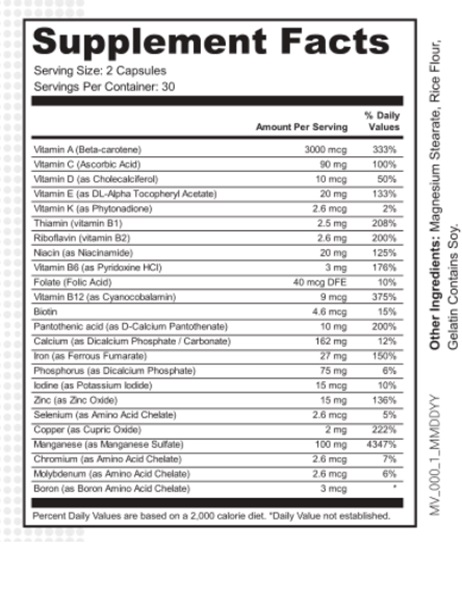
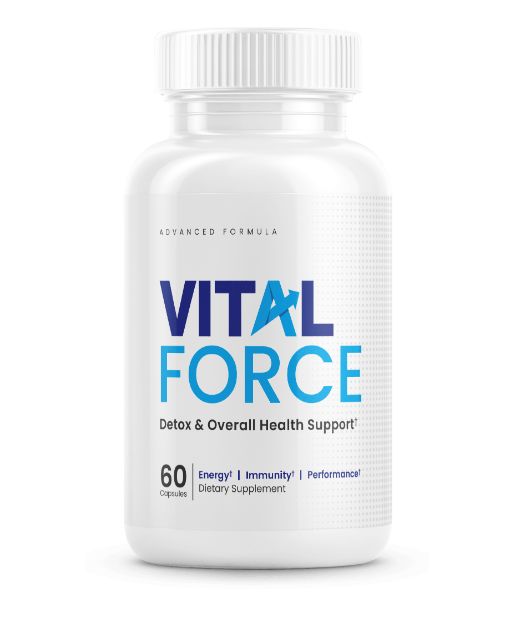
One highly recommended product is Vital Force. It contains all the essential vitamins, minerals like magnesium and calcium, and powerful antioxidants like curcumin, all in a balanced composition. Taking two capsules a day can strengthen your immunity and support a healthy, productive life.
This is an affiliate link, and I will earn a small commission if you make a purchase.
Buy Vital Force Now!Always consult your healthcare provider before starting any new supplement. This is for informational purposes only and not a substitute for professional medical advice.