

HIV Stigma: Breaking Down Myths and Promoting Understanding and Compassion
Introduction
Living with HIV can be challenging, not only because of the physical symptoms but also due to the stigma and discrimination that often accompany an HIV diagnosis. Understanding the early signs of HIV, knowing what to look for, and recognizing common symptoms can help demystify the virus. But just as importantly, awareness of HIV stigma, how it affects people, and the support options available can play a huge role in empowering those affected by HIV.
This article aims to clarify what HIV is, identify early signs and symptoms, and address the impact of stigma and discrimination on individuals with HIV. Along the way, we’ll explore how support networks can make a real difference and offer steps toward fostering a compassionate, informed society.
What is HIV? Understanding the Basics
HIV, or Human Immunodeficiency Virus, is a virus that targets the immune system, particularly CD4 cells, which help the body fight infections. Without treatment, HIV can weaken the immune system, eventually leading to AIDS (Acquired Immunodeficiency Syndrome). Thankfully, with modern medicine, people living with HIV who adhere to treatment can lead long, healthy lives without ever progressing to AIDS.
Despite advances in HIV treatment, stigma and discrimination persist. Many people still lack understanding about HIV and how it’s transmitted, which fuels fear and judgment. By recognizing symptoms early and addressing stigma, we can help dismantle harmful myths and support those affected by the virus.
Recognizing Early Symptoms of HIV: What to Look For
HIV symptoms can vary greatly from person to person. Early signs may be mild, making them easy to overlook, but recognizing them can lead to early diagnosis and prompt treatment. Here’s what to watch for in the first few weeks after exposure:
- Fever: A low-grade but persistent fever is often the first symptom of HIV. This fever usually appears 2-4 weeks after exposure and may come with night sweats and chills.
- Fatigue: HIV can cause deep exhaustion that doesn’t go away with rest. This fatigue is a common early symptom and often goes unrecognized.
- Swollen Lymph Nodes: Swelling in the lymph nodes, particularly around the neck, armpits, and groin, can occur as the body fights off the virus. These swollen nodes may be tender or painful.
- Sore Throat and Headache: A sore throat and headaches can also appear early on, similar to cold or flu symptoms.
Have Questions or Concerns About HIV?
Worried about HIV testing, symptoms, transmission, or treatment? Need personalized answers from an expert you can trust? Dr. PJM is here to help. With over 28 years of experience, Dr. PJM offers reliable, personalized guidance tailored to your HIV concerns.
This is a paid consultation service, ensuring you get dedicated attention and expert advice.
Visit the Home Page and Ask Dr. PJM Now!Get the Answers You Need, Today!
5. Skin Rash
An HIV-related rash may appear on the trunk, arms, or face. It’s often red, itchy, or slightly raised.
6. Muscle and Joint Pain
Muscle aches and joint pain, similar to flu symptoms, are common in early HIV infection.
These early symptoms are part of what’s known as acute retroviral syndrome (ARS), which happens within 2-4 weeks of exposure. Testing is the only way to confirm HIV, so if you’ve noticed any of these signs and have had a potential exposure, consider getting tested.
HIV Stigma: A Persistent Challenge
HIV stigma stems from outdated beliefs, misconceptions, and fear. Some people mistakenly think HIV can be spread by casual contact, which leads to unnecessary fear and avoidance. Others judge individuals based on how they assume HIV was contracted, creating a social environment that can be judgmental and isolating.
Types of HIV Stigma
- Self-Stigma: People living with HIV may internalize negative stereotypes, leading to feelings of shame and worthlessness. This self-stigma can affect mental health and make it harder to seek support.
- Public Stigma: This includes societal attitudes and behaviors that lead to discrimination, such as treating someone differently once their HIV status is known.
- Institutional Stigma: Policies, laws, or organizational practices that discriminate against people with HIV contribute to stigma at a structural level. This might include restricted access to healthcare, employment discrimination, or housing inequality.
These forms of stigma create barriers for those with HIV, sometimes discouraging them from seeking testing, disclosing their status, or accessing necessary healthcare services.
HIV Discrimination: Real-Life Impacts
HIV discrimination goes beyond stigma, involving unfair treatment based on someone’s HIV status. This discrimination can affect a person’s career, social life, and access to resources. Here are a few areas where people with HIV may face discrimination:
- Employment: Despite legal protections, discrimination in the workplace is common. Some individuals are fired, denied promotion, or pressured to leave once their HIV status is known.
- Healthcare: Sadly, some healthcare providers still hold biases about people with HIV. This can result in substandard care or refusal to provide services. This discrimination not only impacts health outcomes but also deepens the fear of seeking medical support.
- Social Relationships: HIV stigma and discrimination can strain friendships, family relationships, and romantic partnerships. Some people may distance themselves upon learning someone’s HIV status, rooted in the fear of transmission or judgment.
- Housing and Education: In some cases, individuals with HIV are denied housing or educational opportunities. While such discrimination is often illegal, it remains a concern for many, particularly in communities where misconceptions about HIV are prevalent.
Worried After a Possible HIV Exposure?
Are you concerned about a possible HIV exposure? Do you seek reliable information to navigate your concerns and make informed decisions about your health? Look no further. Dr. P. J. Mazumdar, a highly experienced physician with over 28 years of expertise, offers a meticulously researched book that provides essential guidance and support.
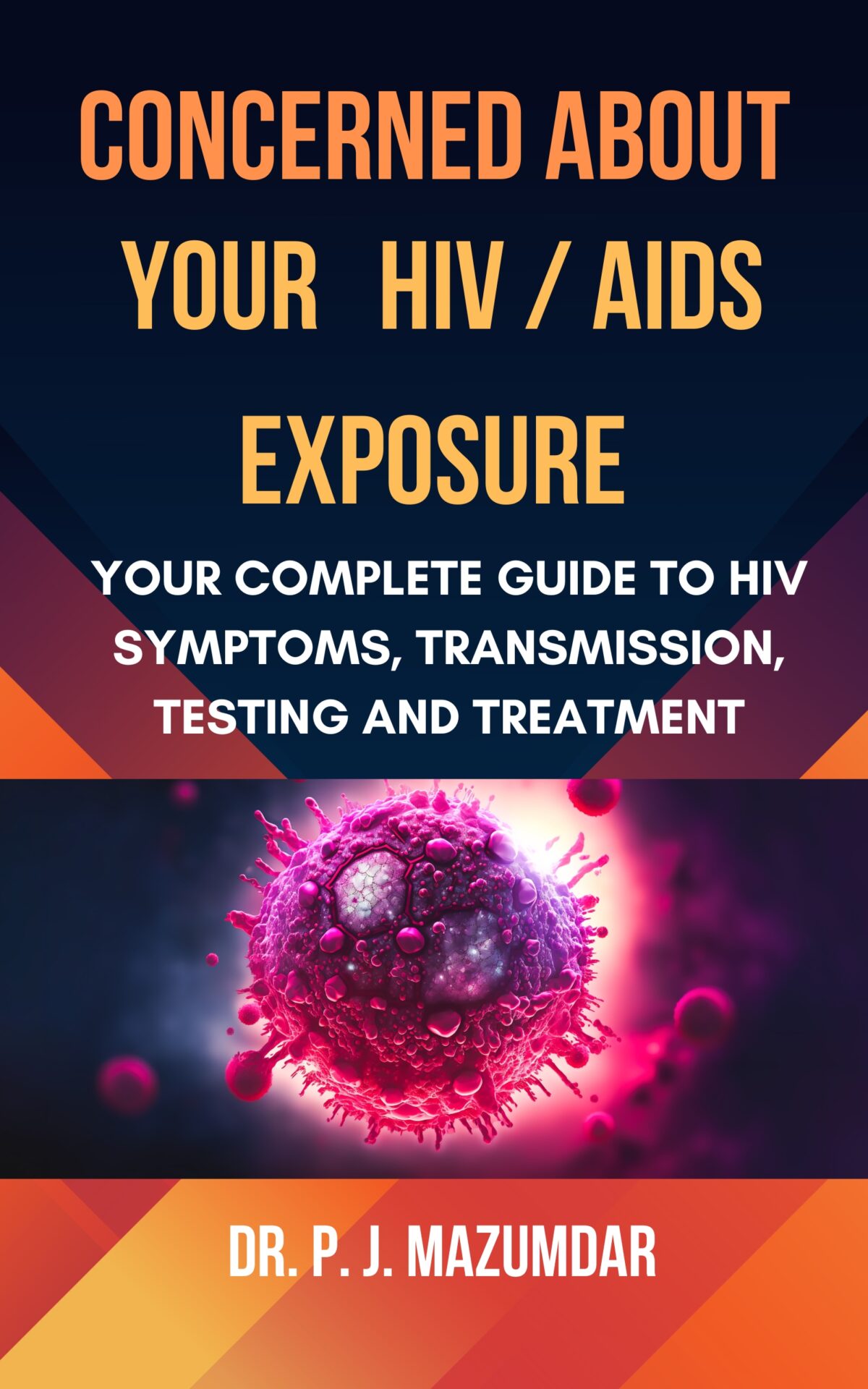
This book provides the information you need for your clarity and understanding.
Don’t Wait. Get Informed.
Available on Amazon Kindle!
Buy Your Copy of “Concerned About Your HIV / AIDS Exposure” Now!Combating HIV Stigma and Discrimination
Tackling HIV stigma and discrimination requires education, empathy, and awareness. Here’s how we can make a difference:
- Education and Awareness: Public education is essential in breaking down misconceptions about HIV transmission and treatment. By providing factual information, we can help people understand that HIV isn’t transmitted through casual contact and that modern treatments make the virus manageable.
- Encouraging Open Conversations: Talking openly about HIV can reduce stigma. The more people see HIV as part of daily health discussions, the less it feels “taboo” or isolating. Sharing personal stories or discussing HIV at community events can also help.
- Supporting Anti-Discrimination Policies: Legal protections can reduce discrimination in the workplace, healthcare, and housing. Advocating for policies that protect individuals with HIV is crucial to fostering a more inclusive society.
- Promoting Empathy: Empathy and compassion are powerful tools in fighting stigma. Understanding that anyone can be affected by HIV, regardless of their lifestyle or background, can create a more supportive environment.
Finding Support: Resources for People Living with HIV
If you or someone you know is living with HIV, support is available. From mental health services to social organizations, these resources can help:
- Counseling and Mental Health Services: Managing HIV can be emotionally challenging, especially with the added impact of stigma. Many organizations offer counseling to help people cope with the emotional toll of HIV, whether it’s from self-stigma or discrimination.
- Peer Support Groups: Support groups provide a safe space for individuals with HIV to share their experiences, challenges, and successes. Hearing from others who have faced similar issues can be comforting and empowering.
- HIV Advocacy Organizations: Organizations like the National AIDS Trust, GLAAD, and the HIV.gov resource center offer resources and advocacy to improve the lives of those with HIV. These groups work to reduce stigma, raise awareness, and support HIV-positive individuals.
- Healthcare Services: Specialized clinics and healthcare providers focus on HIV care, ensuring patients receive comprehensive support. Regular medical check-ups, antiretroviral therapy (ART), and other treatments are vital for maintaining health.
- Online Communities: Many people find support through online communities, which offer anonymity and accessibility. Platforms like Reddit, The Body, and HIV-specific Facebook groups provide a space for people to connect, share experiences, and receive encouragement.
How You Can Help Combat HIV Stigma
If you want to be an ally to those affected by HIV, there are steps you can take to create a supportive, stigma-free environment:
- Educate Yourself and Others: Make an effort to learn about HIV, how it’s transmitted, and how treatment works. Knowledge can counteract ignorance and fear.
- Challenge Stereotypes and Misinformation: When you hear false information or jokes about HIV, speak up. Correcting misconceptions helps others understand the reality of HIV.
- Use Compassionate Language: Be mindful of how you talk about HIV. Avoid terms that carry negative connotations, like “AIDS victim.” Instead, use “people living with HIV,” emphasizing the individual.
- Support HIV Advocacy and Education Efforts: Consider volunteering with or donating to organizations that work to end HIV stigma. Your support can help raise awareness and provide resources to those who need them.
Conclusion: Breaking the Cycle of HIV Stigma and Discrimination
While medical advancements have transformed HIV from a fatal disease to a manageable condition, stigma and discrimination remain barriers for those affected. Understanding the symptoms of HIV, the reality of discrimination, and the importance of support systems can change how we approach HIV as a society.
Each of us has a role in building a world where HIV-positive individuals are treated with the respect, empathy, and dignity they deserve. By spreading awareness, fostering compassion, and advocating for those affected, we can help end the stigma and create a more inclusive, understanding society.
Boost Your Immunity and Health with Vital Micronutrients
A good balanced diet plays a vital role in our lives. It is crucial for our immunity, which protects us not only from infectious diseases but also from chronic conditions like cancer and autoimmune diseases. Proper nutrition keeps our organs healthy, provides energy, supports our reproductive system, keeps us strong, and benefits us in countless other ways.
A well-rounded diet supplies essential micronutrients like vitamins and minerals. But in the fast pace of modern life, few of us can claim to maintain a perfect diet. That’s where supplements come in. Ensuring we get these critical nutrients helps prevent deficiencies that could negatively impact our health.
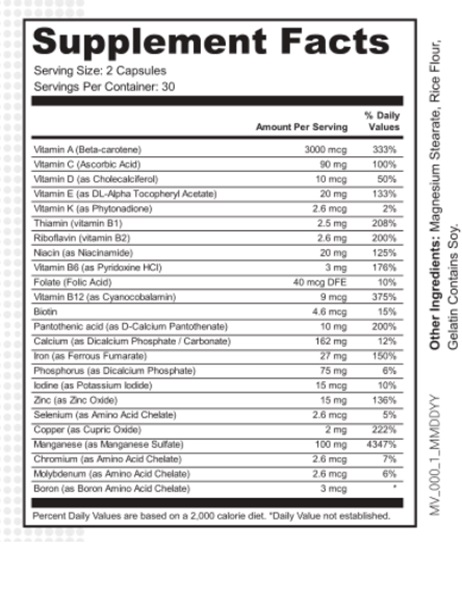
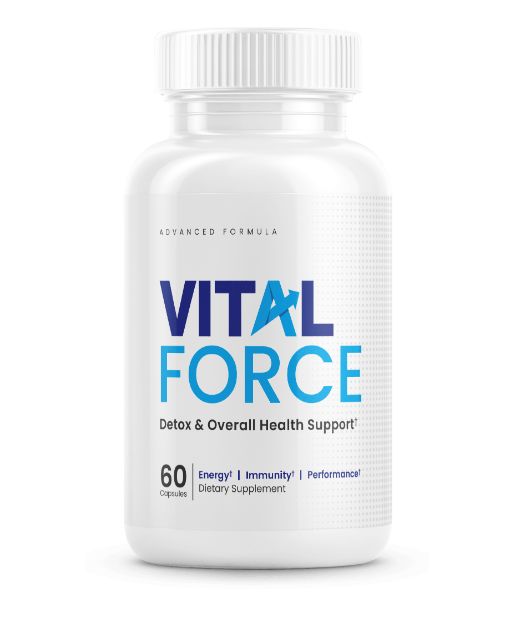
One highly recommended product is Vital Force. It contains all the essential vitamins, minerals like magnesium and calcium, and powerful antioxidants like curcumin, all in a balanced composition. Taking two capsules a day can strengthen your immunity and support a healthy, productive life.
This is an affiliate link, and I will earn a small commission if you make a purchase.
Buy Vital Force Now!Always consult your healthcare provider before starting any new supplement. This is for informational purposes only and not a substitute for professional medical advice.