

HIV Transmission: How HIV is Spread and How to Protect Yourself
When it comes to HIV, one of the most important things to understand is how it is transmitted. Understanding the ways in which HIV spreads, and more importantly, how it doesn’t spread, can help protect you and those you care about. Knowledge truly is power, especially when it comes to preventing HIV. Let’s dive into the facts.
What is HIV and How Does it Work?
Before we get into the nitty-gritty of HIV transmission, let’s quickly review what HIV is. HIV (Human Immunodeficiency Virus) is a virus that attacks the body’s immune system, specifically the CD4 cells (or T cells). Over time, if left untreated, HIV can weaken the immune system and lead to AIDS (Acquired Immunodeficiency Syndrome). Fortunately, with early diagnosis and proper treatment, people with HIV can live long and healthy lives.
How is HIV Spread?
HIV is primarily spread through certain body fluids. These fluids contain a high concentration of the virus, making transmission possible when they enter another person’s bloodstream. The fluids include:
- Blood
- Semen (including pre-seminal fluid)
- Vaginal fluids
- Rectal fluids
- Breast milk
For HIV to be transmitted, these fluids must come into contact with a mucous membrane (found in the rectum, vagina, penis, or mouth), damaged tissue, or be directly injected into the bloodstream (such as through a needle or syringe).
Have Questions or Concerns About HIV?
Worried about HIV testing, symptoms, transmission, or treatment? Need personalized answers from an expert you can trust? Dr. PJM is here to help. With over 28 years of experience, Dr. PJM offers reliable, personalized guidance tailored to your HIV concerns.
This is a paid consultation service, ensuring you get dedicated attention and expert advice.
Visit the Home Page and Ask Dr. PJM Now!Get the Answers You Need, Today!
Common Ways HIV is Spread
Let’s break down the most common ways HIV is transmitted:
1. Unprotected Sexual Contact
The most frequent way HIV spreads is through sexual contact without the use of a condom or other barrier protection. This includes vaginal, anal, and, to a lesser extent, oral sex.
- Anal Sex: This is the highest-risk sexual behavior for HIV transmission. The lining of the rectum is thin and more prone to tearing, which makes it easier for the virus to enter the body.
- Vaginal Sex: HIV can be transmitted through vaginal sex, though the risk is generally lower than with anal sex. Women are more likely to contract HIV from men due to the larger surface area of mucous membranes in the vagina.
- Oral Sex: The risk of contracting HIV through oral sex is much lower but not zero. The presence of cuts, sores, or bleeding gums can increase this risk.
Note: Using condoms or dental dams during sex can significantly reduce the risk of HIV transmission.
2. Sharing Needles or Syringes
People who share needles or syringes for drug use are at high risk of HIV transmission. This also includes sharing equipment used for tattoos or body piercings if it hasn’t been sterilized.
3. Mother-to-Child Transmission
HIV can be passed from mother to child during pregnancy, childbirth, or breastfeeding. However, with proper medical care and antiretroviral treatment, the risk of mother-to-child transmission can be greatly reduced.
4. Blood Transfusions and Organ Transplants
This mode of transmission is rare in countries where blood is routinely tested for HIV. However, in areas without rigorous screening, the risk still exists. Always ensure that blood or organ donations come from a reliable and well-regulated source.
5. Occupational Exposure
Healthcare workers can be at risk if they are accidentally stuck with a needle or come into contact with infected blood. Thankfully, proper safety protocols minimize this risk.
Worried After a Possible HIV Exposure?
Are you concerned about a possible HIV exposure? Do you seek reliable information to navigate your concerns and make informed decisions about your health? Look no further. Dr. P. J. Mazumdar, a highly experienced physician with over 28 years of expertise, offers a meticulously researched book that provides essential guidance and support.
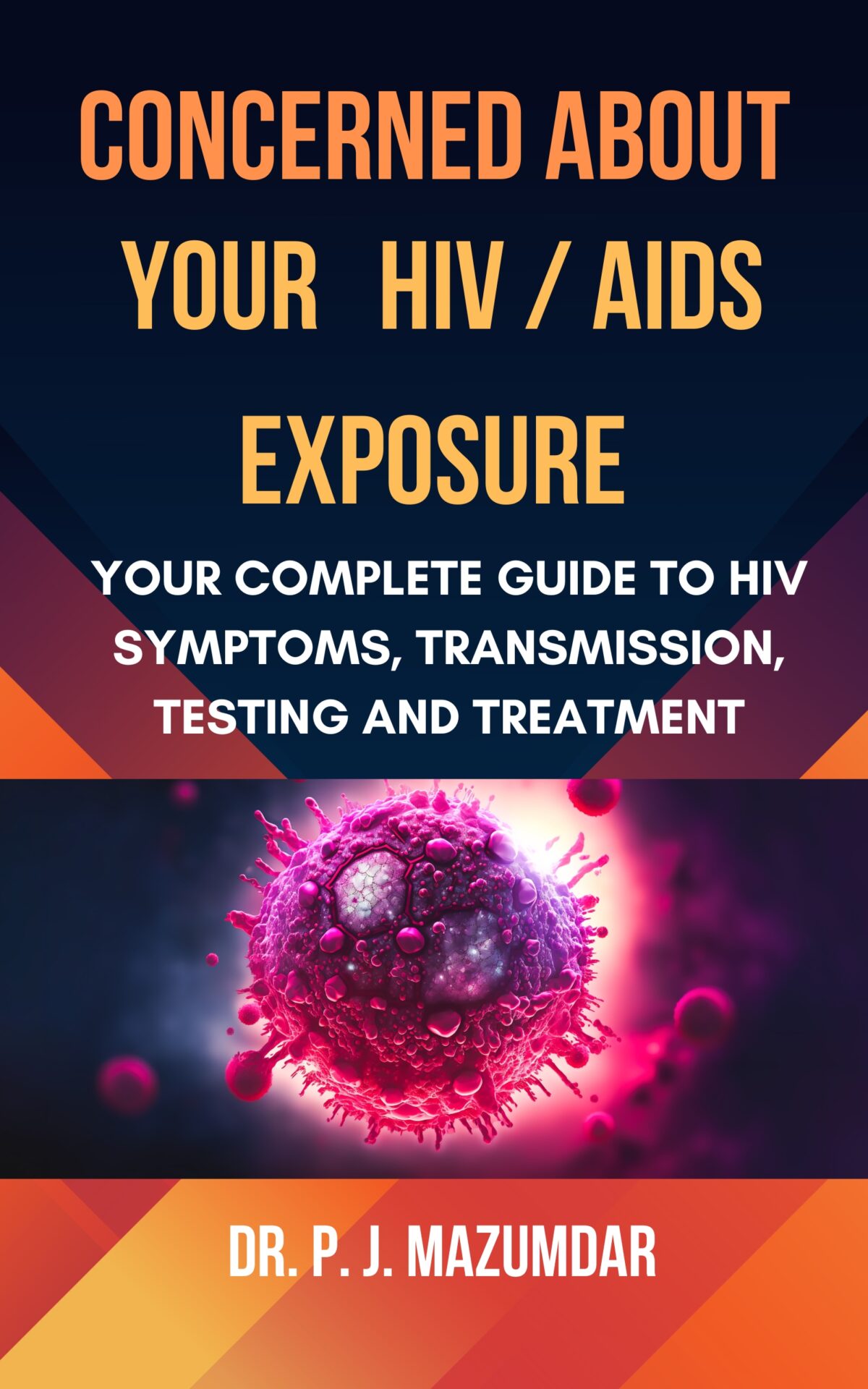
This book provides the information you need for your clarity and understanding.
Don’t Wait. Get Informed.
Available on Amazon Kindle!
Buy Your Copy of “Concerned About Your HIV / AIDS Exposure” Now!How HIV is NOT Spread
There are still many myths and misconceptions about how HIV is transmitted. Let’s set the record straight:
- Casual Contact: You cannot get HIV from hugging, shaking hands, or sharing utensils. The virus cannot survive long outside the human body.
- Air or Water: HIV cannot be spread through the air, water, or insect bites. Mosquitoes do not transmit HIV.
- Saliva, Tears, or Sweat: There’s no risk of getting HIV from someone’s saliva, tears, or sweat, unless mixed with significant blood (which is extremely rare in day-to-day life).
Bottom Line: Living in the same household as someone with HIV, using the same bathroom, or even kissing on the cheek does not pose a risk.
Preventing HIV: Steps You Can Take
While there is no vaccine for HIV, there are several highly effective ways to prevent its transmission. Let’s explore these methods:
1. Practice Safe Sex
Using condoms consistently and correctly is one of the most effective ways to prevent HIV and other sexually transmitted infections (STIs). Condoms act as a barrier, stopping the virus from passing between partners.
- Male Condoms: Made of latex or polyurethane, these are highly effective if used properly.
- Female Condoms: Another option, inserted into the vagina or anus, to provide protection.
- Dental Dams: Thin pieces of latex that can be used for protection during oral sex.
2. Get Tested Regularly
Knowing your HIV status and that of your partner(s) is crucial. The Centers for Disease Control and Prevention (CDC) recommends that everyone between the ages of 13 and 64 get tested for HIV at least once. If you are at higher risk, more frequent testing is advised.
- Why Testing is Important: Early detection allows for early treatment, which can improve health outcomes and prevent the spread of the virus.
3. Use Pre-Exposure Prophylaxis (PrEP)
PrEP is a daily medication for people at high risk of HIV. When taken consistently, it can reduce the risk of getting HIV from sex by about 99% and from injection drug use by at least 74%.
- Who Should Consider PrEP? Individuals with an HIV-positive partner, those who inject drugs, or anyone who has multiple sexual partners and doesn’t always use condoms should discuss PrEP with a healthcare provider.
4. Post-Exposure Prophylaxis (PEP)
If you think you’ve been exposed to HIV, starting PEP within 72 hours can reduce the risk of infection. It’s a month-long course of HIV medications, but it’s not meant for regular use.
5. Don’t Share Needles
If you use drugs, always use a clean needle. Many cities offer needle exchange programs to help prevent the spread of HIV and other infections like hepatitis C.
Living with HIV
If you or someone you love is living with HIV, it’s important to remember that it’s manageable with the right care and support. With effective ART, people with HIV can have a viral load so low it’s undetectable and can live just as long as someone without HIV.
Support and Community
Living with HIV can be emotionally challenging. Joining support groups or connecting with a counselor can provide a sense of belonging and emotional stability.
Healthy Habits Matter
- Stay Adherent to Medication: Never miss a dose of your ART medication.
- Eat a Balanced Diet: Nutrition can help keep your immune system strong.
- Exercise Regularly: Physical activity can boost your mood and overall health.
Final Thoughts
Understanding how HIV is spread and how to prevent it is the first step in protecting yourself and others. With advancements in medication and a better understanding of the virus, HIV is no longer the insurmountable obstacle it once was. Education, regular testing, and safe practices remain our best defenses.
Remember, HIV is a manageable condition, and by taking preventive steps, you can live a full and healthy life. If you found this article useful, share it with someone who might need to know the facts. Together, we can help fight misinformation and promote a healthier, more informed community.
Boost Your Immunity and Health with Vital Micronutrients
A good balanced diet plays a vital role in our lives. It is crucial for our immunity, which protects us not only from infectious diseases but also from chronic conditions like cancer and autoimmune diseases. Proper nutrition keeps our organs healthy, provides energy, supports our reproductive system, keeps us strong, and benefits us in countless other ways.
A well-rounded diet supplies essential micronutrients like vitamins and minerals. But in the fast pace of modern life, few of us can claim to maintain a perfect diet. That’s where supplements come in. Ensuring we get these critical nutrients helps prevent deficiencies that could negatively impact our health.
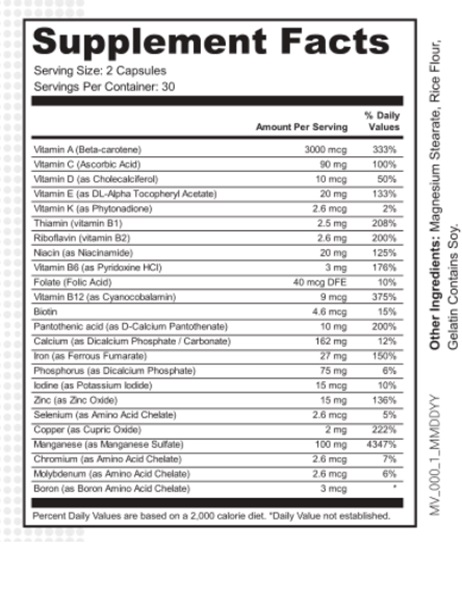
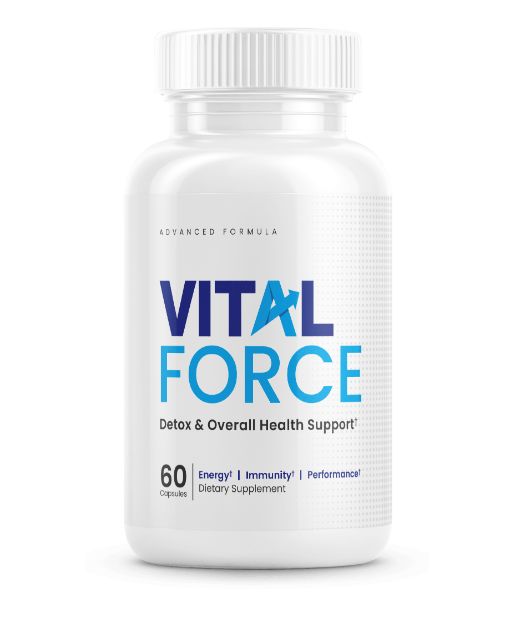
One highly recommended product is Vital Force. It contains all the essential vitamins, minerals like magnesium and calcium, and powerful antioxidants like curcumin, all in a balanced composition. Taking two capsules a day can strengthen your immunity and support a healthy, productive life.
This is an affiliate link, and I will earn a small commission if you make a purchase.
Buy Vital Force Now!Always consult your healthcare provider before starting any new supplement. This is for informational purposes only and not a substitute for professional medical advice.