

HIV Testing: Types of Tests, Accuracy, and Where to Get Tested
Getting tested for HIV is an important step in taking control of your health. Whether you think you’ve been exposed to the virus or simply want to be proactive, understanding the different types of HIV tests, their accuracy, and where you can get tested is crucial. Let’s walk through everything you need to know to make the best choices for your health.
Why HIV Testing is Important
First off, why is HIV testing so essential? Knowing your HIV status is a key part of staying healthy. Early detection of the virus allows for early treatment, which can dramatically improve your quality of life and prevent the virus from being passed on to others. The good news is that HIV testing is easier and more accessible than ever.
But before we get into the “where” and “how,” let’s cover the different types of HIV tests available.
Types of HIV Tests
1. Nucleic Acid Test (NAT)
- What It Is: NAT is a highly sensitive test that looks for the actual HIV virus in the blood.
- How It Works: This test detects the virus’s genetic material (RNA) and is usually done when someone has early symptoms of HIV or when a recent high-risk exposure has occurred.
- Window Period: NATs can detect HIV as early as 10 to 33 days after exposure.
- Accuracy: It’s one of the most accurate tests but is expensive and not typically used for routine screening.
- Use Case: NATs are often used for people who have a high risk of HIV exposure or to confirm a diagnosis in someone who has symptoms of acute HIV infection.
2. Antigen/Antibody Test
- What It Is: This test looks for both HIV antigens (a part of the virus) and antibodies (proteins your body makes in response to the infection).
- How It Works: Antigens can be detected in the blood earlier than antibodies. The test is usually conducted using a blood sample, either from a vein or a finger prick.
- Window Period: It can detect HIV 18 to 45 days after exposure if taken from a blood draw. Finger-prick versions may take a bit longer to detect the virus.
- Accuracy: The lab-based antigen/antibody tests are highly accurate and are the most common tests used in healthcare settings.
Have Questions or Concerns About HIV?
Worried about HIV testing, symptoms, transmission, or treatment? Need personalized answers from an expert you can trust? Dr. PJM is here to help. With over 28 years of experience, Dr. PJM offers reliable, personalized guidance tailored to your HIV concerns.
This is a paid consultation service, ensuring you get dedicated attention and expert advice.
Visit the Home Page and Ask Dr. PJM Now!Get the Answers You Need, Today!
3. Antibody Test
- What It Is: This test only looks for antibodies in your blood or oral fluid.
- How It Works: Antibodies are proteins produced by the immune system in response to HIV. This test can be done through a finger prick, a blood draw, or an oral swab.
- Window Period: It generally takes 23 to 90 days after exposure for the body to produce enough antibodies for the test to detect HIV.
- Accuracy: While the test is very accurate for diagnosing HIV after the window period, it is less reliable for early detection.
- At-Home Testing: Some antibody tests are available as home kits, where you can test yourself and get results within minutes.
HIV Test Accuracy: What You Need to Know
Accuracy is one of the most common concerns when it comes to HIV testing. Let’s break it down:
- Window Period: This is the time between potential exposure to HIV and when a test can accurately detect the virus. If you get tested too soon, you may receive a false-negative result.
- Sensitivity and Specificity: HIV tests are measured by their sensitivity (ability to correctly identify those with HIV) and specificity (ability to correctly identify those without HIV). Most modern tests have high sensitivity and specificity, but no test is 100% perfect.
- False Positives and False Negatives: A false positive is when a test incorrectly indicates you have HIV. A false negative is when a test fails to detect HIV in someone who is actually infected. Confirmatory testing (using a second type of test) is often recommended to rule out errors.
Bottom Line: If you get a positive result, don’t panic. Follow-up testing will help confirm your status.
Worried After a Possible HIV Exposure?
Are you concerned about a possible HIV exposure? Do you seek reliable information to navigate your concerns and make informed decisions about your health? Look no further. Dr. P. J. Mazumdar, a highly experienced physician with over 28 years of expertise, offers a meticulously researched book that provides essential guidance and support.
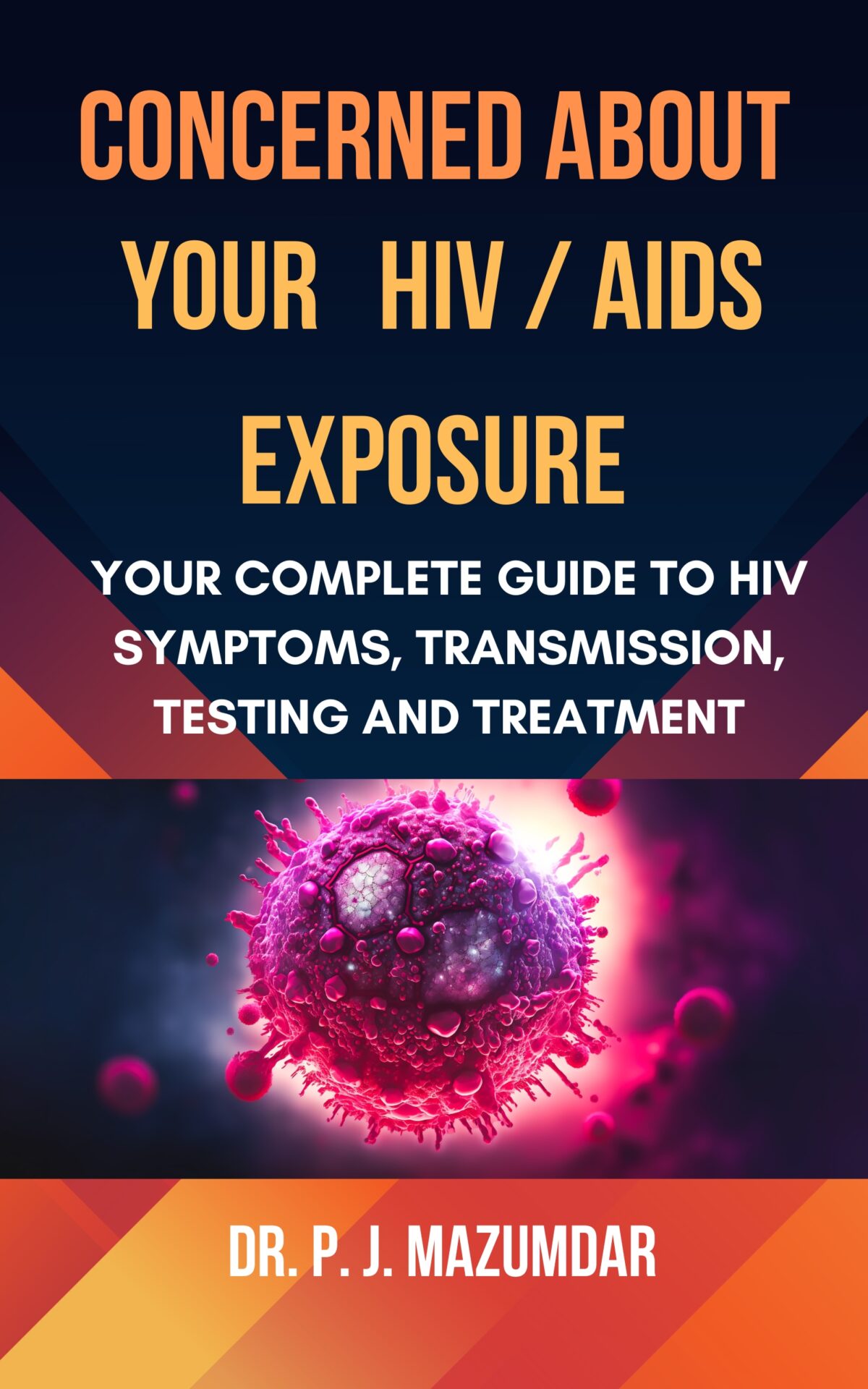
This book provides the information you need for your clarity and understanding.
Don’t Wait. Get Informed.
Available on Amazon Kindle!
Buy Your Copy of “Concerned About Your HIV / AIDS Exposure” Now!Where to Get Tested for HIV
Getting tested is easier than you might think. Here are some options:
1. Local Health Clinics and Community Centers
- Many health clinics, community health centers, and sexual health clinics offer free or low-cost HIV testing.
- Search for “HIV testing near me” to find clinics in your area.
2. Doctor’s Office
- Your primary care physician can order an HIV test as part of a regular check-up. This is a good option if you’re already seeing a healthcare provider for other concerns.
3. At-Home Testing Kits
- At-home kits like OraQuick and Everlywell are FDA-approved and allow you to test in the privacy of your own home. Simply follow the instructions, and you’ll have results in about 20 to 40 minutes.
- Keep in mind that if you test positive, you should follow up with a healthcare provider to confirm the results.
4. Hospitals and Urgent Care Centers
- Most hospitals and urgent care facilities offer HIV testing. These may be particularly useful if you believe you’ve been exposed to HIV and need immediate testing.
5. Mobile Testing Units
- In some cities, there are mobile testing vans that offer free or low-cost HIV testing. These are especially convenient for people who may not have easy access to healthcare facilities.
6. Specialty Organizations
- Organizations like Planned Parenthood and local LGBTQ+ health centers often provide HIV testing services. They may also offer counseling and other resources.
Preparing for an HIV Test: What to Expect
- Before the Test: No special preparation is needed for most HIV tests. Just be ready to answer questions about your sexual history, any drug use, and potential risk factors. Don’t be embarrassed—healthcare providers are trained to be nonjudgmental.
- The Test Itself: If you’re getting a blood test, a small sample will be taken from your vein or fingertip. For oral swabs, the process is quick and painless.
- Waiting for Results: Rapid tests give results in 20 to 40 minutes, while lab-based tests may take a few days. If you test positive, counseling and follow-up testing will be provided.
When Should You Get Tested for HIV?
Timing is everything. If you think you’ve been exposed to HIV, consider these recommendations:
- Immediate Testing: If you’ve had a high-risk exposure, such as unprotected sex or sharing needles, get tested right away and consider starting Post-Exposure Prophylaxis (PEP) within 72 hours.
- Regular Testing: If you’re sexually active, especially with multiple partners, or use injection drugs, regular testing (at least once a year) is a good idea. Some high-risk groups may need to get tested more frequently, such as every 3 to 6 months.
- Routine Check-Ups: Even if you think you’re low risk, it’s a good idea to include HIV testing as part of your routine healthcare.
What Happens After an HIV Test?
- Negative Result: A negative result means that you don’t have HIV, or it’s too early to detect the virus. If you think you were exposed recently, you may need to get tested again after the window period.
- Positive Result: A positive result can be life-changing, but it’s not the end of the world. Advances in HIV treatment mean that people with HIV can live long, healthy lives. Your healthcare provider will guide you through the next steps, which include confirmatory testing and starting treatment.
Final Thoughts: Taking Charge of Your Health
Getting tested for HIV might feel nerve-wracking, but it’s a responsible and empowering choice. Remember, HIV is manageable, and knowing your status can help you make informed decisions. The stigma around HIV testing is slowly disappearing, but you can help by normalizing it in your circle and spreading awareness.
If you’re unsure where to get tested, a quick search for “HIV testing near me” will point you in the right direction. Take control, get tested, and take care of your health. It’s one of the best things you can do for yourself and the people you love.
Boost Your Immunity and Health with Vital Micronutrients
A good balanced diet plays a vital role in our lives. It is crucial for our immunity, which protects us not only from infectious diseases but also from chronic conditions like cancer and autoimmune diseases. Proper nutrition keeps our organs healthy, provides energy, supports our reproductive system, keeps us strong, and benefits us in countless other ways.
A well-rounded diet supplies essential micronutrients like vitamins and minerals. But in the fast pace of modern life, few of us can claim to maintain a perfect diet. That’s where supplements come in. Ensuring we get these critical nutrients helps prevent deficiencies that could negatively impact our health.
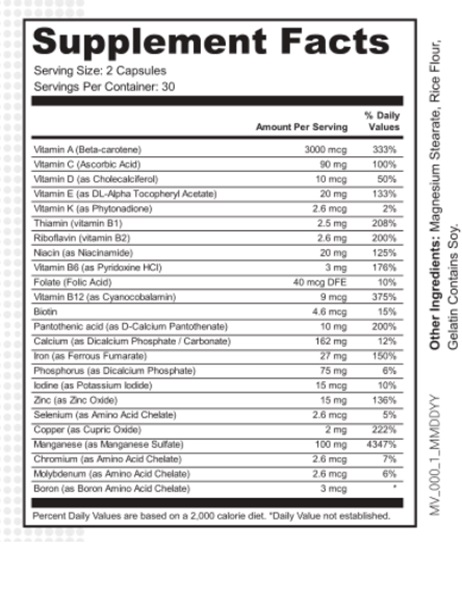
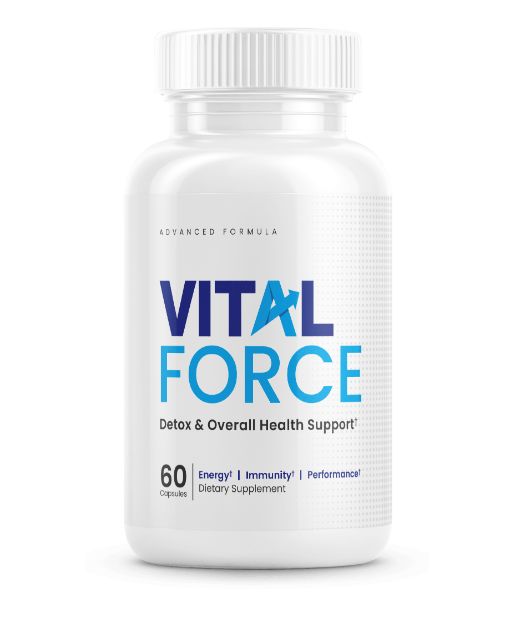
One highly recommended product is Vital Force. It contains all the essential vitamins, minerals like magnesium and calcium, and powerful antioxidants like curcumin, all in a balanced composition. Taking two capsules a day can strengthen your immunity and support a healthy, productive life.
This is an affiliate link, and I will earn a small commission if you make a purchase.
Buy Vital Force Now!Always consult your healthcare provider before starting any new supplement. This is for informational purposes only and not a substitute for professional medical advice.