

HIV and STIs: What You Need to Know About Risks, Prevention, and Managing Co-Infections
Introduction
HIV, or Human Immunodeficiency Virus, is a type of sexually transmitted infection (STI) that can have a serious impact on health if left untreated. It’s essential to understand the early symptoms of HIV, how it relates to other STIs, and the role of regular STI testing in managing and preventing the spread of infections.
In this article, we’ll discuss what to look for in early HIV symptoms, why STI testing matters, and how HIV relates to other STIs. Whether you’re seeking information for yourself or a loved one, this guide will provide you with the knowledge you need to stay informed and proactive.
HIV Symptoms: Early Signs and What to Look For
HIV symptoms can vary significantly from person to person. They’re often mild in the beginning, which can make them easy to overlook. Recognizing these symptoms early on can be crucial, as early diagnosis and treatment can lead to better health outcomes.
- Fever: One of the first signs of HIV infection is a low-grade but persistent fever. It often appears within 2-4 weeks after exposure and may be accompanied by chills or night sweats.
- Fatigue: Early HIV infection can cause deep fatigue that doesn’t go away, no matter how much you rest. This exhaustion is often the body’s response to the virus attacking the immune system.
- Swollen Lymph Nodes: Lymph nodes in the neck, armpits, and groin may become swollen as the immune system tries to fight off the virus. These swollen nodes may be tender to the touch.
- Sore Throat and Headache: Many people with early HIV experience a sore throat, mild headaches, and a general feeling of being unwell. These symptoms can resemble a cold or flu.
- Skin Rash: A rash, typically on the trunk of the body, may appear as a red, itchy, or slightly raised area. It often shows up in the early stages and may come and go.
- Muscle and Joint Pain: Muscle aches and joint pain are common early symptoms, often making it feel like you have the flu.
These early symptoms, collectively known as “acute retroviral syndrome” (ARS) or primary HIV infection, generally appear 2-4 weeks after exposure and may last for several days or weeks. Testing is the only way to know for sure if these symptoms are related to HIV, as they can be similar to those of other illnesses.
Have Questions or Concerns About HIV?
Worried about HIV testing, symptoms, transmission, or treatment? Need personalized answers from an expert you can trust? Dr. PJM is here to help. With over 28 years of experience, Dr. PJM offers reliable, personalized guidance tailored to your HIV concerns.
This is a paid consultation service, ensuring you get dedicated attention and expert advice.
Visit the Home Page and Ask Dr. PJM Now!Get the Answers You Need, Today!
The Connection Between HIV and Other STIs
HIV and other sexually transmitted infections (STIs) often go hand in hand. When someone contracts one STI, they may be at higher risk for others. Here’s how HIV relates to other STIs:
- Increased Vulnerability: Having an STI like syphilis, gonorrhea, or herpes can increase the likelihood of contracting HIV. STIs can cause inflammation or sores that create openings in the skin or mucous membranes, making it easier for HIV to enter the body.
- Shared Risk Factors: HIV and other STIs share common risk factors, including unprotected sex, multiple sexual partners, and lack of routine testing. Engaging in high-risk sexual behaviors increases exposure to both HIV and other STIs.
- Similar Symptoms: Some symptoms of other STIs overlap with early HIV symptoms, such as rashes, fatigue, and swollen lymph nodes. This similarity can make it difficult to differentiate between HIV and other STIs without testing.
- Impact on Immune Health: Co-infections, or having more than one STI at a time, can weaken the immune system further. This is especially concerning for individuals with HIV, as their immune system is already compromised. Managing all STIs is crucial to supporting overall health.
For these reasons, understanding and managing STIs is essential in the prevention and treatment of HIV.
Common Symptoms of Other STIs
If you’re concerned about your sexual health, it’s also helpful to know some of the symptoms of other STIs. While some STIs can be asymptomatic (meaning you don’t notice any symptoms), others have more noticeable signs:
- Chlamydia: Often asymptomatic, but can cause burning during urination, unusual discharge, and lower abdominal pain.
- Gonorrhea: Symptoms may include painful urination, unusual discharge, and sometimes testicular or pelvic pain.
- Syphilis: Early stages cause sores, usually on the genitals, which may be painless but are highly contagious. Later stages can lead to rashes and flu-like symptoms.
- Herpes Simplex Virus (HSV): Causes blisters or sores around the mouth or genitals, which can be painful and recurrent.
- Human Papillomavirus (HPV): Often asymptomatic but can lead to genital warts or, in some cases, cervical or other cancers.
- Trichomoniasis: Symptoms include itching, burning, and unusual discharge, particularly in women.
If you notice any unusual symptoms, getting tested promptly can help you understand whether you have an STI, including HIV.
Worried After a Possible HIV Exposure?
Are you concerned about a possible HIV exposure? Do you seek reliable information to navigate your concerns and make informed decisions about your health? Look no further. Dr. P. J. Mazumdar, a highly experienced physician with over 28 years of expertise, offers a meticulously researched book that provides essential guidance and support.
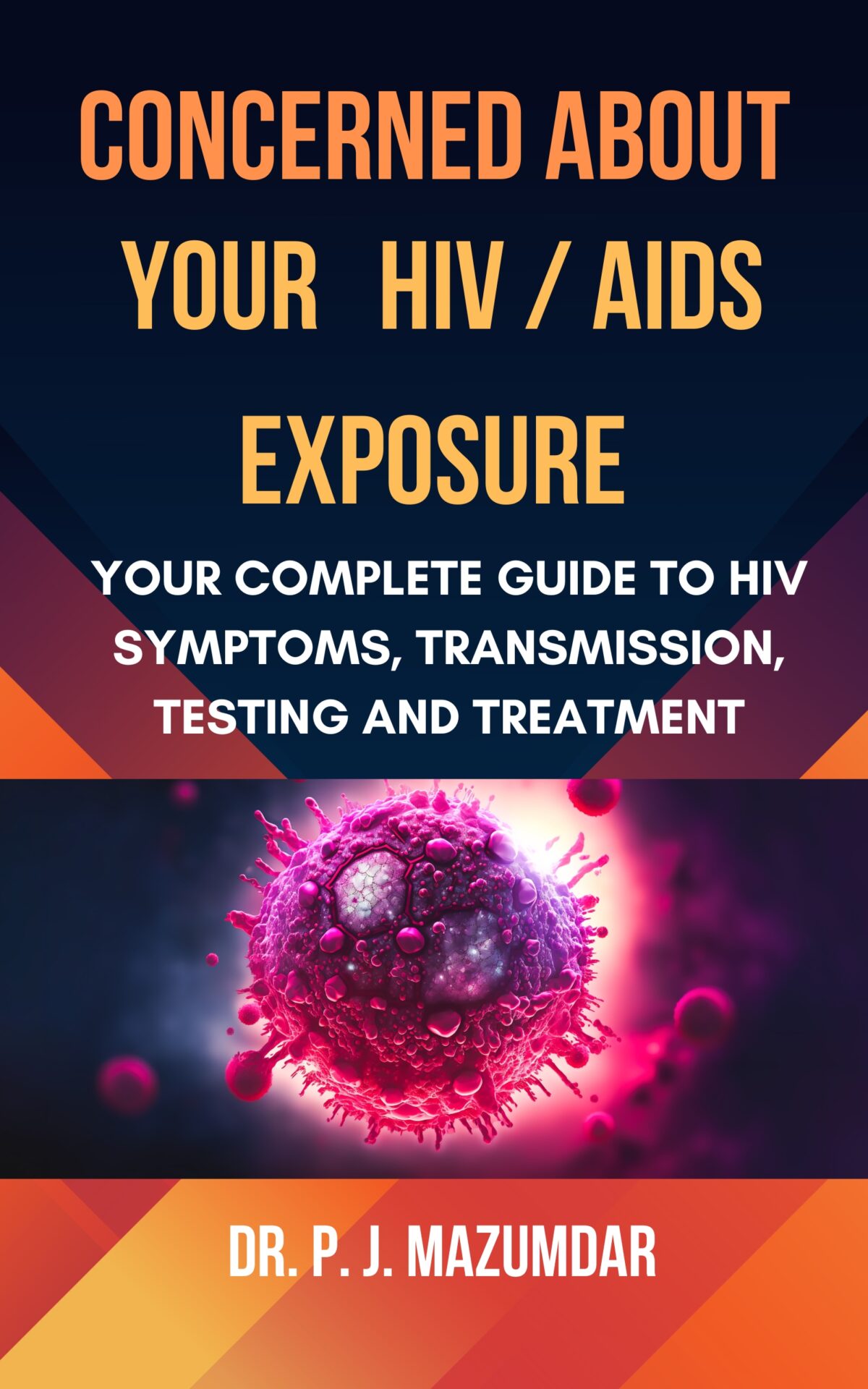
This book provides the information you need for your clarity and understanding.
Don’t Wait. Get Informed.
Available on Amazon Kindle!
Buy Your Copy of “Concerned About Your HIV / AIDS Exposure” Now!Why Routine STI Testing is Important
Regular STI testing is essential, especially for those at higher risk of exposure. Here’s why testing plays such a crucial role in managing both HIV and other STIs:
- Early Detection Leads to Better Health Outcomes: Catching HIV and other STIs early allows for immediate treatment, which can reduce complications and prevent the spread to others.
- Some STIs Are Asymptomatic: Many STIs, including HIV, can be asymptomatic for a long time. Routine testing is the only way to know your status if you don’t have symptoms.
- Reduce HIV Transmission: Regular STI testing helps reduce HIV transmission by catching other infections that may increase the likelihood of contracting or transmitting HIV.
- Better Health for You and Your Partners: Knowing your STI status enables you to make informed decisions with partners and practice safer sex.
- Peace of Mind: Regular testing provides peace of mind, knowing your status and addressing any issues before they become serious health concerns.
HIV Testing: When and How to Get Tested
Because early HIV symptoms can mimic other illnesses or STIs, testing is the only way to know your status for certain. There are several types of HIV tests available:
Types of HIV Tests
- Antibody Tests: Detect HIV antibodies in the blood or saliva. Results are usually available within minutes.
- Combination Tests: Detect both HIV antibodies and antigens (a part of the virus). These can detect HIV earlier than antibody tests.
- Nucleic Acid Tests (NATs): Detect HIV in the blood and are typically used if recent exposure is suspected. These tests are more expensive and not commonly used for routine screening.
When to Get Tested
If you’ve had unprotected sex, shared needles, or suspect any kind of exposure, get tested. It’s also a good idea to get tested every 3-6 months if you’re at higher risk, such as having multiple partners or being part of a high-risk group.
Where to Get Tested
HIV and STI testing are available at clinics, health departments, and sometimes even at home with self-test kits. Many places offer free or low-cost testing options.
Preventing HIV and Other STIs
Practicing safe sex and knowing your STI status are the best ways to prevent both HIV and other STIs. Here are some tips:
- Use Protection: Condoms are highly effective at reducing the risk of HIV and other STIs. Consistent and correct use is essential, so be sure to check expiration dates and use them properly.
- Get Vaccinated: Vaccinations are available for certain STIs, such as HPV and hepatitis B, which can reduce your risk of contracting these infections.
- Limit Sexual Partners: Limiting the number of sexual partners and knowing their STI status can reduce the chances of contracting or transmitting infections.
- PrEP and PEP for HIV Prevention:
- PrEP (Pre-Exposure Prophylaxis): A daily medication for HIV-negative individuals at high risk, PrEP reduces the chance of contracting HIV.
- PEP (Post-Exposure Prophylaxis): A 28-day emergency treatment that can prevent HIV if taken within 72 hours of exposure.
- Regular Testing for You and Your Partners: Routine testing ensures that both you and your partners are aware of any infections, allowing for informed choices and safer sex practices.
Dealing with an HIV or STI Diagnosis
Receiving an HIV or STI diagnosis can feel overwhelming, but remember that support and treatment options are available. Here are some steps to take:
- Seek Treatment Immediately: For HIV, antiretroviral therapy (ART) is essential for managing the virus, keeping your viral load low, and preventing transmission. Many STIs are treatable with antibiotics or antiviral medications.
- Inform Your Partners: Talking to partners about an HIV or STI diagnosis can be challenging, but it’s important for their health and helps prevent further transmission.
- Join Support Groups: Many communities have support groups, either in person or online, where people can share experiences and offer support to one another.
Boost Your Immunity and Health with Vital Micronutrients
A good balanced diet plays a vital role in our lives. It is crucial for our immunity, which protects us not only from infectious diseases but also from chronic conditions like cancer and autoimmune diseases. Proper nutrition keeps our organs healthy, provides energy, supports our reproductive system, keeps us strong, and benefits us in countless other ways.
A well-rounded diet supplies essential micronutrients like vitamins and minerals. But in the fast pace of modern life, few of us can claim to maintain a perfect diet. That’s where supplements come in. Ensuring we get these critical nutrients helps prevent deficiencies that could negatively impact our health.
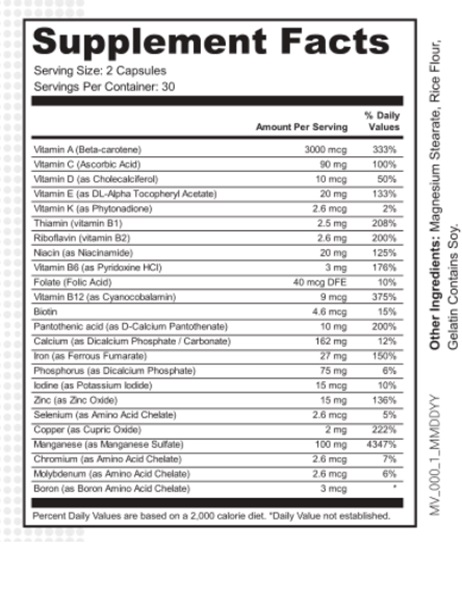
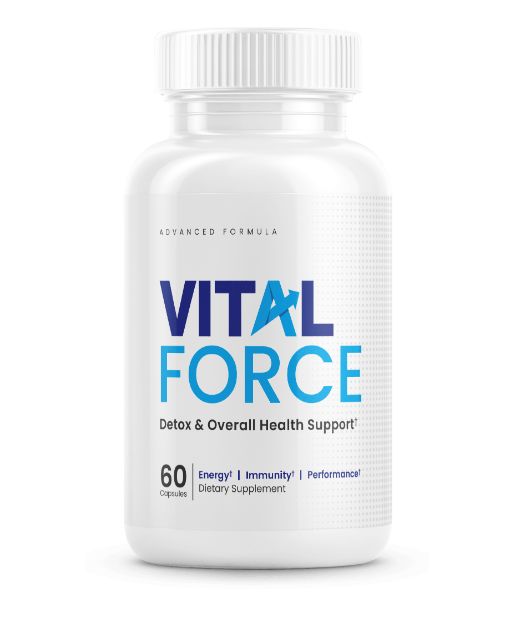
One highly recommended product is Vital Force. It contains all the essential vitamins, minerals like magnesium and calcium, and powerful antioxidants like curcumin, all in a balanced composition. Taking two capsules a day can strengthen your immunity and support a healthy, productive life.
This is an affiliate link, and I will earn a small commission if you make a purchase.
Buy Vital Force Now!Always consult your healthcare provider before starting any new supplement. This is for informational purposes only and not a substitute for professional medical advice.