

HIV and Mental Health: Understanding the Psychological Impact and Ways to Cope
Introduction
Receiving an HIV diagnosis can bring a whirlwind of emotions and concerns, including fears about health, relationships, and the future. Beyond the physical symptoms, HIV can have a significant impact on mental health, often bringing feelings of isolation, anxiety, or depression. Recognizing early symptoms, understanding the diagnosis, and finding mental health support can make all the difference in navigating life with HIV.
In this article, we’ll cover the early signs of HIV, the psychological impact of an HIV diagnosis, and the mental health support options available for those living with HIV. Whether you’re recently diagnosed or seeking to support a loved one, this guide will provide valuable insights into how to manage both the physical and mental aspects of HIV.
Early HIV Symptoms: What to Look For
The early symptoms of HIV can sometimes resemble a cold or flu, making them easy to overlook. Being aware of these signs is essential, as early detection leads to earlier treatment and better health outcomes.
Common Early Symptoms of HIV
In the first 2-4 weeks after exposure, some individuals experience what’s known as acute HIV infection, or “acute retroviral syndrome” (ARS). This early stage often comes with symptoms similar to a viral illness:
- Fever: A persistent, low-grade fever is often one of the first signs of HIV. Night sweats and chills may accompany the fever.
- Fatigue: HIV can cause a deep exhaustion that doesn’t improve with rest. This fatigue stems from the immune system’s response to the virus.
- Swollen Lymph Nodes: Swelling around the neck, armpits, and groin is common as the immune system reacts to the infection.
- Sore Throat and Headache: These symptoms can resemble a typical cold or flu, often leading people to overlook them.
- Muscle and Joint Pain: Aches and pains in the muscles and joints, similar to the flu, can be a hallmark of early HIV infection.
- Rash: An HIV-related rash may appear on the trunk or face and can be red, itchy, or slightly raised.
These symptoms can show up 2-4 weeks after exposure and may last several days to weeks. Testing is the only way to confirm HIV, so if you’ve noticed these symptoms and suspect exposure, seeking medical advice can help bring clarity.
Have Questions or Concerns About HIV?
Worried about HIV testing, symptoms, transmission, or treatment? Need personalized answers from an expert you can trust? Dr. PJM is here to help. With over 28 years of experience, Dr. PJM offers reliable, personalized guidance tailored to your HIV concerns.
This is a paid consultation service, ensuring you get dedicated attention and expert advice.
Visit the Home Page and Ask Dr. PJM Now!Get the Answers You Need, Today!
The Mental Health Impact of an HIV Diagnosis
An HIV diagnosis can bring about intense emotional reactions. Many people experience shock, disbelief, anger, fear, and sadness. These feelings are completely natural, but left unaddressed, they can lead to prolonged mental health struggles. Here are some common emotional responses following a diagnosis:
- Shock and Denial: For many, an HIV diagnosis is unexpected, and initial disbelief is common. Denial may temporarily protect individuals from overwhelming feelings, but it can also prevent them from seeking help and beginning treatment.
- Fear and Anxiety: Anxiety is a common reaction as individuals worry about their health, relationships, and the stigma surrounding HIV. This fear can manifest in concerns about physical health, possible disclosure to family and friends, and financial or career implications.
- Sadness and Depression: Sadness can turn into depression if not addressed. Feelings of hopelessness, low energy, and a lack of interest in daily activities can take a toll. Depression is common among people with HIV, and it’s essential to seek help if these feelings persist.
- Anger and Blame: Some may feel anger directed toward themselves, others, or the situation. This anger is understandable, but when unprocessed, it can interfere with healing and acceptance.
- Stigma and Self-Stigma: Unfortunately, HIV stigma is still prevalent, leading many to feel isolated or judged. Self-stigma, or internalized shame, can make it hard to open up or seek support, potentially impacting mental health over time.
Understanding these emotions and addressing them can significantly improve well-being. Remember, having HIV does not define you, and support is available to help you manage both the physical and emotional aspects of the diagnosis.
Mental Health Challenges and HIV: What the Research Says
Studies have shown that people living with HIV are at higher risk for mental health conditions, such as anxiety, depression, and post-traumatic stress disorder (PTSD). These conditions can arise due to a combination of the emotional impact of the diagnosis, physical health challenges, and social stigma.
How HIV and Mental Health Are Connected
- Immune System Impact: HIV directly impacts the immune system, which in turn can affect mood and mental well-being. The body’s immune response can trigger stress hormones, impacting overall mood.
- Medication Side Effects: Antiretroviral therapy (ART) is essential for managing HIV, but some medications may cause side effects like mood changes, insomnia, or fatigue, which can exacerbate mental health issues.
- Social Isolation: Due to the stigma surrounding HIV, some people may feel isolated or disconnected from others, which can increase feelings of loneliness and depression.
Addressing mental health challenges is crucial for overall well-being and can positively impact physical health outcomes, including adherence to HIV treatment.
Worried After a Possible HIV Exposure?
Are you concerned about a possible HIV exposure? Do you seek reliable information to navigate your concerns and make informed decisions about your health? Look no further. Dr. P. J. Mazumdar, a highly experienced physician with over 28 years of expertise, offers a meticulously researched book that provides essential guidance and support.
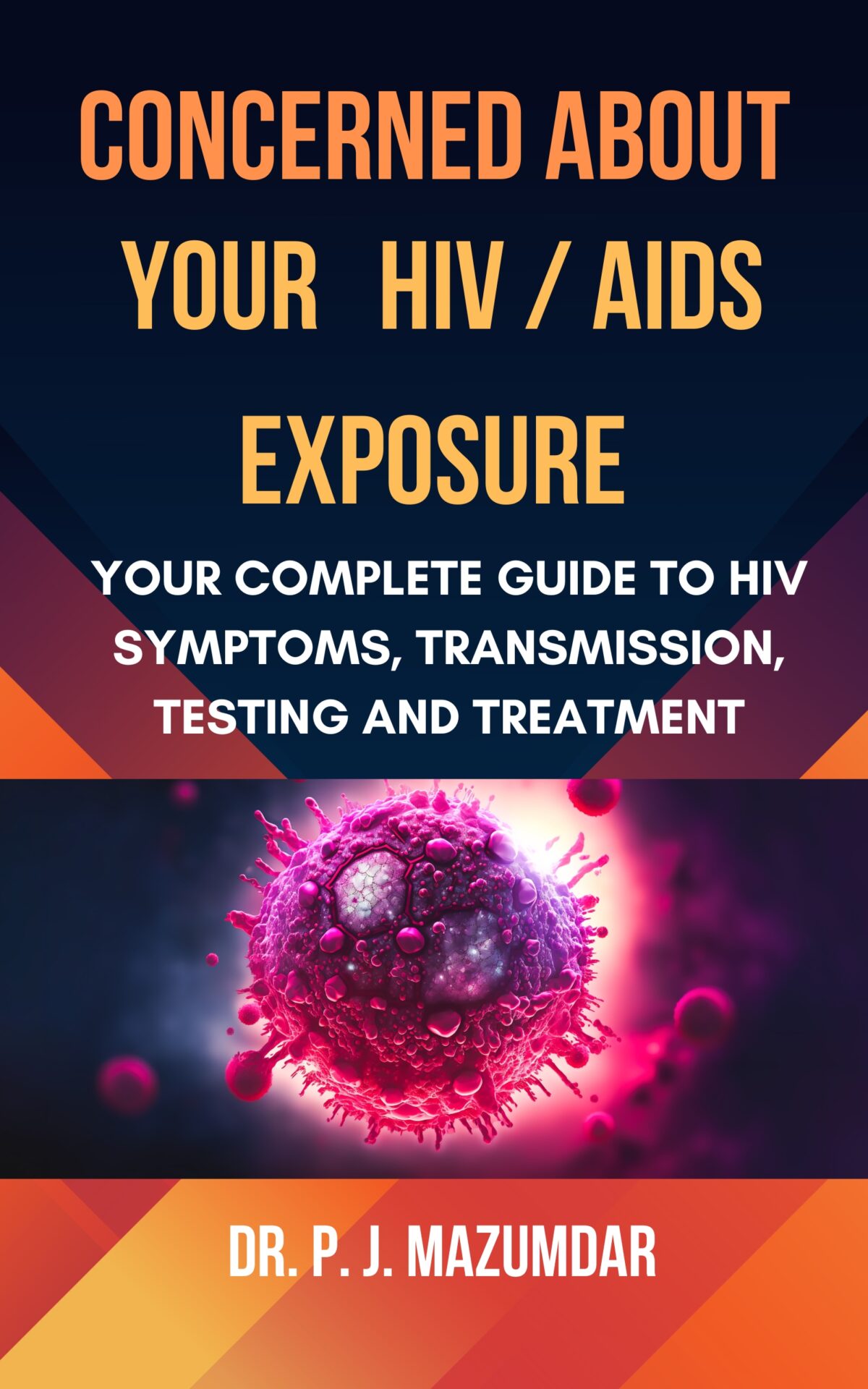
This book provides the information you need for your clarity and understanding.
Don’t Wait. Get Informed.
Available on Amazon Kindle!
Buy Your Copy of “Concerned About Your HIV / AIDS Exposure” Now!Mental Health Support for People Living with HIV
Getting mental health support after an HIV diagnosis can provide tools for coping, reduce feelings of isolation, and improve quality of life. Here are some mental health support options:
- Counseling and Therapy:
- Individual Therapy: Speaking with a therapist can help you work through the complex emotions surrounding an HIV diagnosis. Cognitive-behavioral therapy (CBT) is particularly effective in addressing anxiety, depression, and self-stigma.
- Group Therapy: Joining a therapy group with others who have HIV can provide a sense of community and reduce isolation. Group settings can also offer practical coping strategies and shared experiences.
- Support Groups and Peer Networks:
Many organizations offer support groups, either in person or online, where individuals can share their experiences and receive support. Peer support can be incredibly powerful, as connecting with others who have faced similar challenges can foster resilience and hope.
- Medication and Psychiatric Support:
For those experiencing severe depression or anxiety, medication may be helpful. Antidepressants or anti-anxiety medications can be prescribed alongside HIV treatment to help manage symptoms.
- Mindfulness and Stress Management:
Practicing mindfulness, meditation, and breathing exercises can help reduce stress and anxiety. Activities like yoga and meditation can be done at home and can help individuals build resilience over time.
- Holistic Health Practices:
Holistic practices, such as acupuncture, massage, and nutrition, can support mental and physical health by reducing stress and promoting well-being. Many people find that these complementary therapies help them manage both the mental and physical impacts of HIV.
Boost Your Immunity and Health with Vital Micronutrients
A good balanced diet plays a vital role in our lives. It is crucial for our immunity, which protects us not only from infectious diseases but also from chronic conditions like cancer and autoimmune diseases. Proper nutrition keeps our organs healthy, provides energy, supports our reproductive system, keeps us strong, and benefits us in countless other ways.
A well-rounded diet supplies essential micronutrients like vitamins and minerals. But in the fast pace of modern life, few of us can claim to maintain a perfect diet. That’s where supplements come in. Ensuring we get these critical nutrients helps prevent deficiencies that could negatively impact our health.
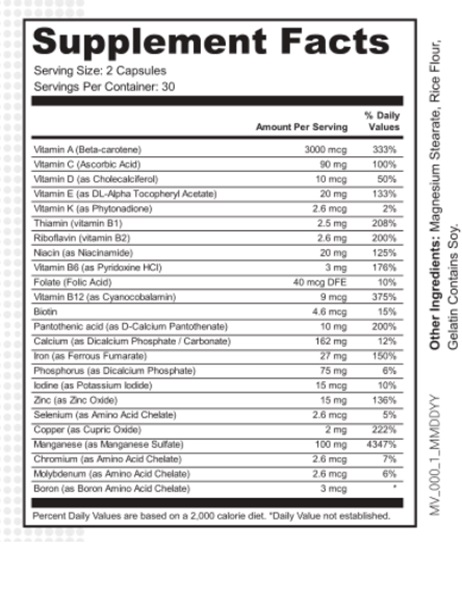
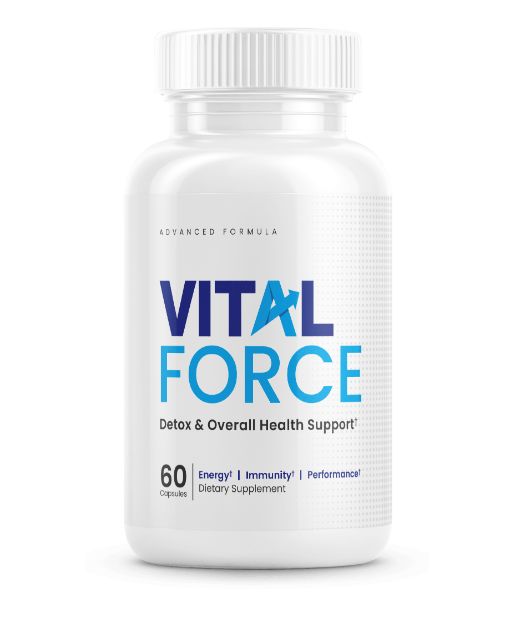
One highly recommended product is Vital Force. It contains all the essential vitamins, minerals like magnesium and calcium, and powerful antioxidants like curcumin, all in a balanced composition. Taking two capsules a day can strengthen your immunity and support a healthy, productive life.
This is an affiliate link, and I will earn a small commission if you make a purchase.
Buy Vital Force Now!Always consult your healthcare provider before starting any new supplement. This is for informational purposes only and not a substitute for professional medical advice.