

The HIV Window Period: What It Is and Why It Matters for Accurate Testing
Introduction
HIV, or Human Immunodeficiency Virus, is a virus that can cause serious health challenges if left untreated. Early detection is essential for effective management, and understanding the HIV testing timeline, including the HIV window period, can help ensure accurate results. In this guide, we’ll cover what early symptoms to look for, explain the HIV window period, and help you understand when to test after a possible exposure.
Whether you’re testing out of precaution or following a possible exposure, knowing when to test can provide clarity, peace of mind, and the information needed to take control of your health.
Understanding Early HIV Symptoms: What to Look For
The early symptoms of HIV can sometimes be mild, mimicking other illnesses like the flu or a cold. However, being aware of these signs and getting tested can lead to timely diagnosis and treatment.
Common Early Symptoms of HIV
If HIV is contracted, symptoms may appear 2-4 weeks after exposure, during what is called the “acute HIV infection” phase. This phase often includes symptoms that resemble a viral illness, also known as acute retroviral syndrome (ARS). Here are the signs to watch for:
- Fever: A low-grade, persistent fever is often one of the first signs of HIV. It may come with chills and night sweats.
- Fatigue: Many people report a deep sense of exhaustion, not relieved by rest. This fatigue is due to the immune system working hard to combat the virus.
- Swollen Lymph Nodes: Lymph nodes in the neck, armpits, or groin may become swollen and tender as the immune system responds.
- Sore Throat and Headache: Early HIV symptoms often include a sore throat and headaches, which can feel like common cold symptoms.
- Muscle and Joint Pain: Aches and pains in the muscles and joints, similar to flu symptoms, are common during early infection.
- Rash: An HIV-related rash may appear, usually on the trunk of the body. It can be red, itchy, or slightly raised.
It’s important to remember that these symptoms can appear 2-4 weeks after exposure, though some people may not experience symptoms at all. Testing is the only way to know for sure.
Have Questions or Concerns About HIV?
Worried about HIV testing, symptoms, transmission, or treatment? Need personalized answers from an expert you can trust? Dr. PJM is here to help. With over 28 years of experience, Dr. PJM offers reliable, personalized guidance tailored to your HIV concerns.
This is a paid consultation service, ensuring you get dedicated attention and expert advice.
Visit the Home Page and Ask Dr. PJM Now!Get the Answers You Need, Today!
The HIV Window Period: Understanding When HIV Is Detectable
The HIV window period is the time between potential exposure to HIV and when a test can reliably detect the virus. During this period, an HIV test may yield a false-negative result because the virus or antibodies haven’t reached detectable levels yet.
Why the Window Period Matters
- Accuracy of Results: Testing too early can result in a false negative, leading someone to believe they don’t have HIV when they actually do. Waiting until after the window period ensures a more reliable test result.
- Informed Decisions: Understanding the window period allows individuals to make better decisions about retesting and preventive measures.
How Long is the HIV Window Period?
The length of the HIV window period depends on the type of test used. Here’s an overview of different tests and their window periods:
1. Nucleic Acid Test (NAT)
- Detection Window: Typically detects HIV within 10-33 days after exposure.
- Accuracy: NAT is highly sensitive and can detect HIV RNA (the virus itself) earlier than other tests. It’s typically used for early testing or if there’s been a high-risk exposure.
2. Antigen/Antibody Test (4th Generation)
- Detection Window: Can detect HIV within 18-45 days after exposure.
- Accuracy: This test detects both HIV antibodies and the p24 antigen (a protein found in the virus). The p24 antigen is detectable before antibodies, so this test is a reliable option for earlier testing.
3. Antibody-Only Tests (3rd Generation)
- Detection Window: Can detect HIV antibodies within 23-90 days after exposure.
- Accuracy: Antibody-only tests are less sensitive for early detection, as they only detect antibodies (not antigens). They’re often used in at-home tests but require a longer window period.
It’s important to wait until after the window period of the test being used to ensure an accurate result. If there is any doubt about the timing or type of test, healthcare providers can offer guidance.
Worried After a Possible HIV Exposure?
Are you concerned about a possible HIV exposure? Do you seek reliable information to navigate your concerns and make informed decisions about your health? Look no further. Dr. P. J. Mazumdar, a highly experienced physician with over 28 years of expertise, offers a meticulously researched book that provides essential guidance and support.
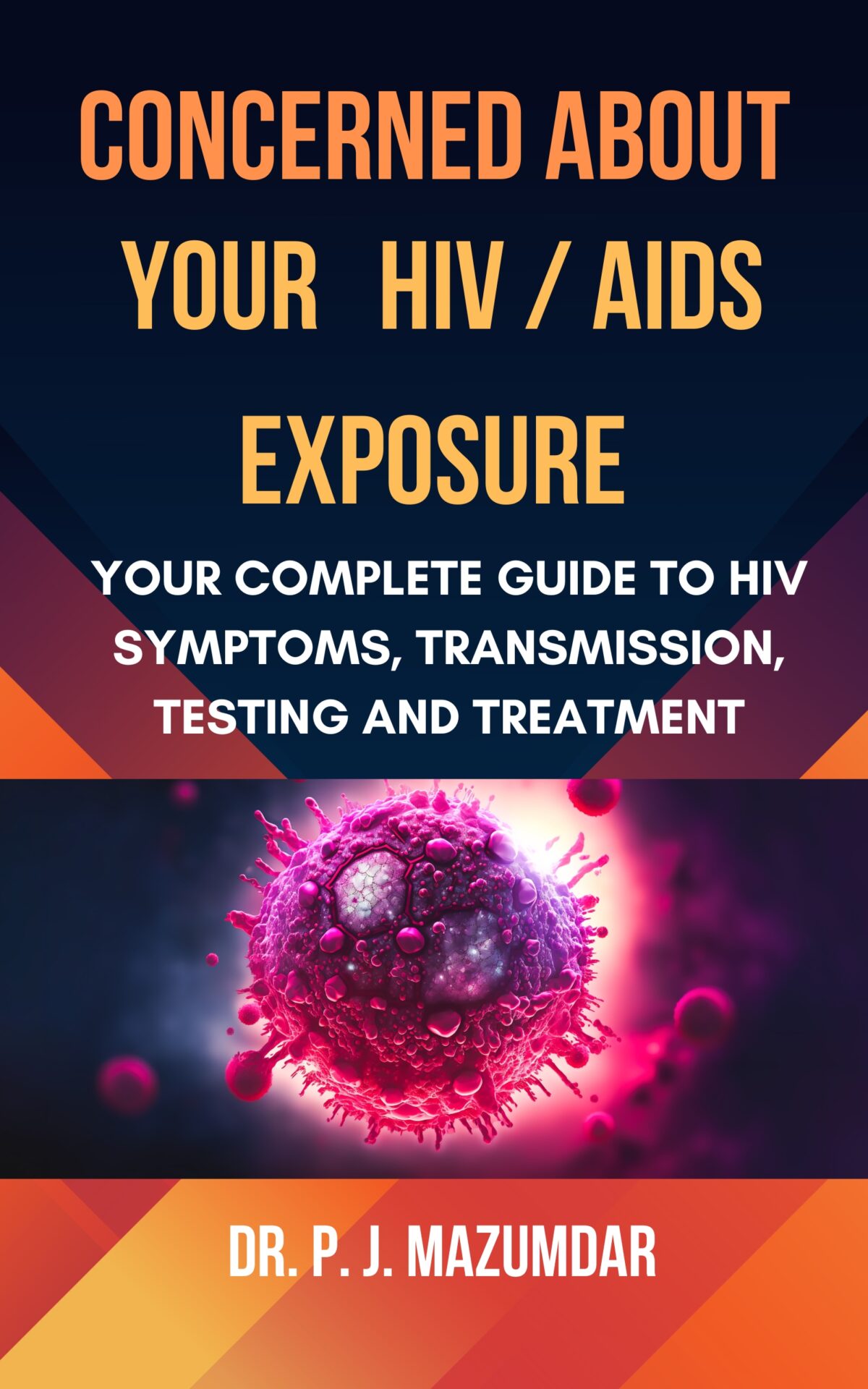
This book provides the information you need for your clarity and understanding.
Don’t Wait. Get Informed.
Available on Amazon Kindle!
Buy Your Copy of “Concerned About Your HIV / AIDS Exposure” Now!HIV Testing Timeline: When Should You Test After Exposure?
Knowing when to get tested after a possible exposure is crucial for getting accurate results. Here’s a suggested HIV testing timeline based on different types of tests and the window period:
1. Immediately After Exposure
- What to Do: Seek medical guidance. Although testing immediately may not yield accurate results, healthcare providers may suggest post-exposure prophylaxis (PEP) within 72 hours if the exposure was high-risk. PEP is a short-term antiretroviral treatment designed to prevent HIV infection if taken soon enough.
2. 10-33 Days Post-Exposure
- Testing Option: Nucleic Acid Test (NAT)
- Why: NAT can detect HIV sooner than other tests by identifying the virus itself. This test is often used if there’s a strong reason to suspect infection or after a high-risk exposure.
3. 18-45 Days Post-Exposure
- Testing Option: 4th Generation Antigen/Antibody Test
- Why: This test detects both antibodies and antigens, making it an excellent option for early detection within the window period. Many clinics offer this as a standard test.
4. 45 Days to 3 Months Post-Exposure
- Testing Option: Antibody Test or Repeat Antigen/Antibody Test
- Why: Antibody tests are more reliable after 45 days, with many producing accurate results by 3 months. Repeating the antigen/antibody test at this point also provides confirmation.
5. After 3 Months
- Testing Option: Any HIV Test
- Why: By this time, any HIV test should provide a conclusive result. Testing after 3 months is recommended if you’ve had a high-risk exposure or an inconclusive earlier test.
Early HIV Testing: How Soon Can You Get Reliable Results?
Early HIV testing can be an option for people who have had a high-risk exposure and want to know their status as soon as possible. Here’s how to approach early HIV testing based on the type of test and timing:
1. Immediately After Exposure (Within 72 Hours)
- Consider PEP: Post-exposure prophylaxis (PEP) can help prevent HIV if taken within 72 hours. While PEP doesn’t confirm your HIV status, it can be an effective preventive measure in high-risk cases.
2. 10-18 Days Post-Exposure
- NAT Testing: This test can detect the virus directly and may provide an accurate result within 10-18 days, though it’s best to confirm with additional tests.
3. 18-45 Days Post-Exposure
- Antigen/Antibody Testing: This type of test detects both antibodies and antigens, making it a good choice for early detection. It’s widely available at clinics and provides reliable results.
4. Testing Beyond 45 Days
- Confirming with Antibody Testing: At this stage, antibody testing is reliable for detecting HIV. If you’ve had early testing, a follow-up at this point can confirm your results.
Frequently Asked Questions About HIV Testing and the Window Period
1. What Happens if I Test Too Soon?
Testing too soon, especially before the window period ends, may yield a false-negative result, meaning the test could show negative even if HIV is present. It’s often recommended to test once more after the window period to confirm results.
2. How Accurate Are Early Tests?
Early tests like the NAT and 4th generation antigen/antibody tests are very accurate, but they’re most reliable when taken after the appropriate window period. If you get tested early, it’s a good idea to retest after the window period for confirmation.
3. Do I Need to Retest If My Result Is Negative?
If you tested before the end of the window period, retesting is recommended. A follow-up test ensures accuracy, especially if you have ongoing risk factors or symptoms.
4. Can I Test at Home During the Window Period?
Home HIV test kits are usually antibody-only tests, which may not detect HIV until 3 months after exposure. If you’re within the window period, visiting a clinic for a more sensitive test may be a better option.
5. What Should I Do If I Test Positive?
A positive result from any test should be confirmed by a healthcare provider. They’ll provide a confirmatory test and, if needed, start treatment with antiretroviral therapy (ART) to manage the virus effectively.
Understanding the Importance of the Window Period
The HIV window period is essential in ensuring accurate test results. Waiting the appropriate amount of time after exposure helps confirm HIV status, allowing individuals to avoid false negatives and start necessary treatment as early as possible.
Knowing your status is empowering, and testing at the right times is part of taking control of your health. If you’re unsure about when to test, consult with a healthcare provider for guidance tailored to your situation.
Boost Your Immunity and Health with Vital Micronutrients
A good balanced diet plays a vital role in our lives. It is crucial for our immunity, which protects us not only from infectious diseases but also from chronic conditions like cancer and autoimmune diseases. Proper nutrition keeps our organs healthy, provides energy, supports our reproductive system, keeps us strong, and benefits us in countless other ways.
A well-rounded diet supplies essential micronutrients like vitamins and minerals. But in the fast pace of modern life, few of us can claim to maintain a perfect diet. That’s where supplements come in. Ensuring we get these critical nutrients helps prevent deficiencies that could negatively impact our health.
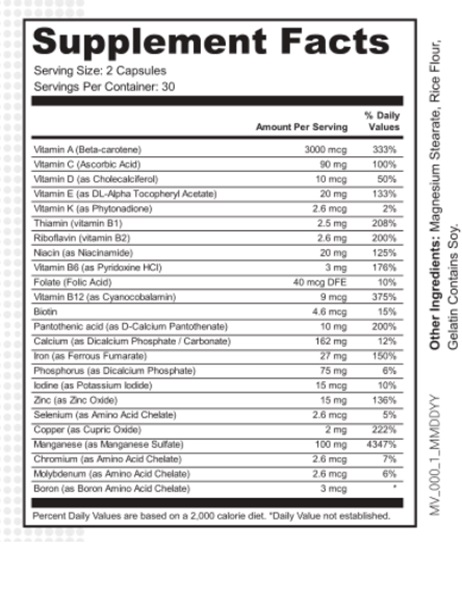
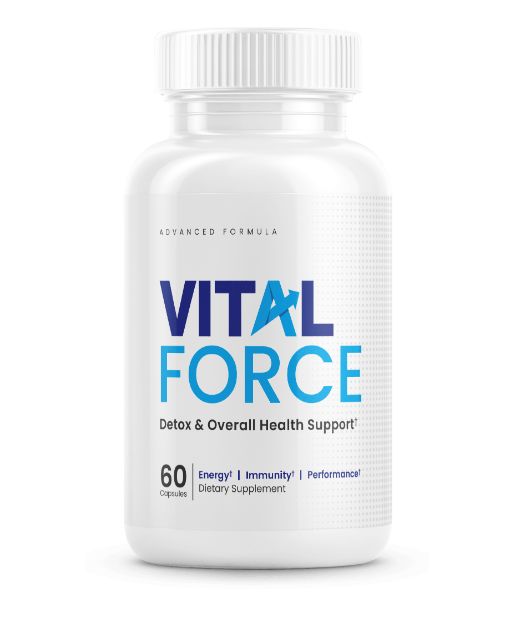
One highly recommended product is Vital Force. It contains all the essential vitamins, minerals like magnesium and calcium, and powerful antioxidants like curcumin, all in a balanced composition. Taking two capsules a day can strengthen your immunity and support a healthy, productive life.
This is an affiliate link, and I will earn a small commission if you make a purchase.
Buy Vital Force Now!