

Understanding HIV Risk: Factors, Prevention Strategies, and How to Stay Protected
Introduction
HIV, or Human Immunodeficiency Virus, is a virus that targets the immune system, specifically the cells that help our bodies fight infection. Recognizing the early signs and understanding HIV risk factors can be crucial in managing and preventing HIV. This guide breaks down HIV symptoms, explains key risk factors—particularly those related to sexual risk—and offers practical advice to stay informed and proactive.
Understanding HIV symptoms, knowing what to look for, and learning about the risk factors that increase susceptibility are all essential in protecting yourself and others. Let’s dive in to better understand what puts someone at risk and how to recognize early HIV signs.
What is HIV and How Does It Spread?
HIV primarily spreads through contact with specific bodily fluids, including blood, semen, vaginal fluids, rectal fluids, and breast milk. The virus enters the bloodstream through cuts, sores, or mucous membranes, leading to infection. HIV risk is closely associated with certain behaviors and situations, especially those involving unprotected sexual contact or shared needles.
Once in the body, HIV targets CD4 cells (a type of white blood cell), weakening the immune system over time. Without treatment, HIV can progress to AIDS (Acquired Immunodeficiency Syndrome), where the immune system becomes severely compromised, making even minor infections life-threatening.
Early Signs of HIV: Recognizing Symptoms in the First Few Weeks
HIV symptoms can vary significantly from person to person. The early signs, especially within the first few weeks after exposure, can sometimes be mild or mistaken for a common illness. Here’s what to watch for:
- Fever: Fever is often one of the earliest signs of HIV. The fever may be low-grade but persistent, usually lasting for several days. This early symptom often comes with chills or night sweats.
- Fatigue: People newly infected with HIV often report a sense of deep fatigue or exhaustion. Unlike regular tiredness, this fatigue can feel overwhelming and isn’t relieved by rest.
- Swollen Lymph Nodes: The lymph nodes, especially those in the neck, armpits, and groin, may swell as they work to fight off the virus. These swollen nodes may feel tender or painful.
- Sore Throat and Headache: Many people with early HIV infection experience a sore throat or a mild to moderate headache, similar to symptoms of a cold or flu.
Have Questions or Concerns About HIV?
Worried about HIV testing, symptoms, transmission, or treatment? Need personalized answers from an expert you can trust? Dr. PJM is here to help. With over 28 years of experience, Dr. PJM offers reliable, personalized guidance tailored to your HIV concerns.
This is a paid consultation service, ensuring you get dedicated attention and expert advice.
Visit the Home Page and Ask Dr. PJM Now!Get the Answers You Need, Today!
5. Muscle and Joint Pain
Joint and muscle aches are common in the early stages of HIV infection. They can mimic the symptoms of other viral infections, making them easy to overlook.
6. Rash
An HIV-related rash typically appears on the trunk of the body. It can be red, itchy, or slightly raised. This rash may come and go within a few days or weeks.
These early signs are often collectively called “acute retroviral syndrome” (ARS) or primary HIV infection. Symptoms usually appear 2-4 weeks after exposure and may last for a few weeks. However, not everyone experiences symptoms during the early phase of HIV. Testing is the only way to confirm HIV status.
HIV Risk Factors: What Puts Someone at Risk?
HIV risk factors vary, but sexual risk factors play a significant role in determining vulnerability. Here are the primary factors that increase the risk of HIV transmission:
1. Unprotected Sex
- Sexual Risk with Unprotected Intercourse: Unprotected sex, whether vaginal, anal, or oral, is a leading cause of HIV transmission. HIV can enter the body through mucous membranes, which are particularly vulnerable during intercourse.
- Higher Risk for Receptive Partners: The receptive partner in sexual activity (the one receiving rather than penetrating) has a higher risk due to the larger mucous membrane surface area exposed to bodily fluids.
- Anal Sex: Among all types of intercourse, anal sex carries the highest risk of HIV transmission due to the fragility of rectal tissues, which are more likely to tear and allow the virus to enter.
2. Multiple Sexual Partners
The likelihood of HIV exposure increases with multiple sexual partners. This risk factor is particularly relevant if partners’ HIV statuses are unknown, as it can increase exposure to other sexually transmitted infections (STIs), which may raise susceptibility to HIV.
3. STIs (Sexually Transmitted Infections)
Having an STI like syphilis, herpes, chlamydia, or gonorrhea can heighten HIV risk. STIs cause inflammation or sores, creating openings in the skin or mucous membranes, making it easier for HIV to enter the body.
4. Injection Drug Use
Sharing needles or other injection equipment can introduce HIV-infected blood directly into the bloodstream. Needle exchange programs and access to sterile equipment can reduce this risk significantly.
5. Other Blood Exposure Risks
- Blood Transfusions: Though rare, HIV can be transmitted through blood transfusions if blood products are not screened properly. Today, this risk is minimal in places with rigorous blood screening protocols.
- Needlestick Injuries: Healthcare workers and first responders face occupational exposure risks, although safety measures have reduced this risk over time.
6. Mother-to-Child Transmission
HIV can be transmitted from mother to child during pregnancy, childbirth, or breastfeeding. With appropriate medical interventions, the risk of mother-to-child transmission can be significantly reduced.
7. Lack of HIV Awareness and Testing
Not knowing one’s HIV status or engaging in risky behaviors without testing increases the risk of unintentional transmission. Routine testing is critical, especially for individuals in high-risk groups.
Worried After a Possible HIV Exposure?
Are you concerned about a possible HIV exposure? Do you seek reliable information to navigate your concerns and make informed decisions about your health? Look no further. Dr. P. J. Mazumdar, a highly experienced physician with over 28 years of expertise, offers a meticulously researched book that provides essential guidance and support.
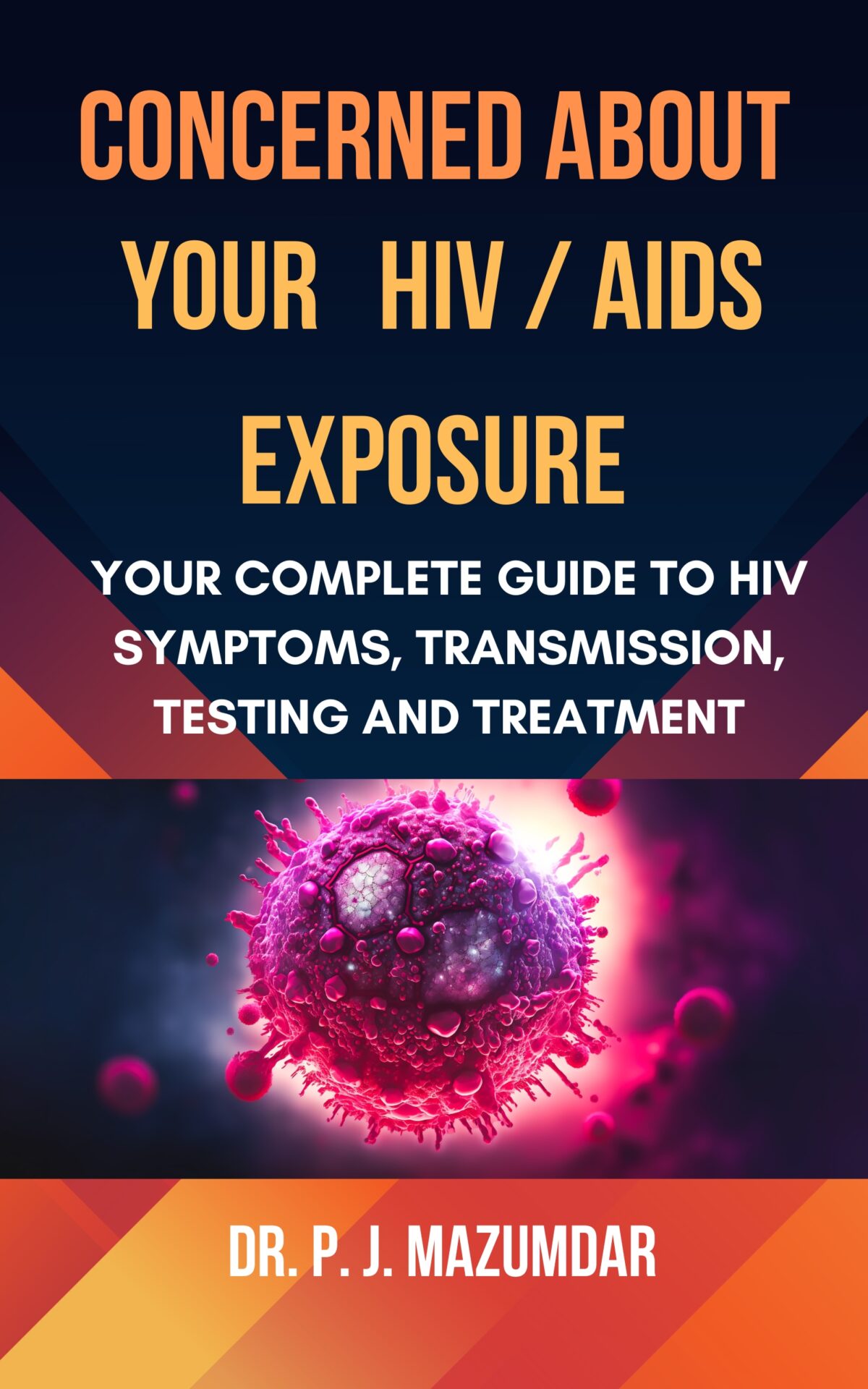
This book provides the information you need for your clarity and understanding.
Don’t Wait. Get Informed.
Available on Amazon Kindle!
Buy Your Copy of “Concerned About Your HIV / AIDS Exposure” Now!Common Symptoms After Early HIV Infection
Following the acute phase, HIV may enter a period of “clinical latency,” where symptoms are less apparent. However, the virus continues to replicate, slowly compromising the immune system. Symptoms that may appear during this stage include:
- Recurring fever or night sweats
- Fatigue and unexplained weight loss
- Swollen lymph nodes
- Persistent yeast infections or thrush (oral or genital)
These symptoms can continue over months or even years if HIV remains undiagnosed and untreated.
Reducing HIV Risk: Prevention Strategies and Safe Practices
Understanding HIV risk factors and how to reduce them is key to prevention. Here are the top strategies to stay safe:
1. PrEP (Pre-Exposure Prophylaxis)
- What It Is: PrEP is a daily medication for HIV-negative individuals at high risk. It reduces the likelihood of contracting HIV by up to 99% when taken consistently.
- Who It’s For: PrEP is recommended for those in high-risk groups, including people with HIV-positive partners or those with multiple sexual partners.
- Access and Adherence: PrEP is available through healthcare providers, and adherence to daily dosing is crucial for maximum protection.
2. PEP (Post-Exposure Prophylaxis)
- What It Is: PEP is a 28-day course of antiretroviral drugs used as an emergency measure after possible HIV exposure.
- When to Use: PEP must be started within 72 hours of exposure, making prompt action essential. It’s suitable for unexpected exposures, such as unprotected sex or needle-sharing.
- Accessing PEP: PEP is often available at emergency rooms and clinics. Healthcare providers can help assess the need and start treatment quickly.
3. Safe Sex Practices
- Condom Use: Consistent condom use significantly lowers HIV transmission risk. Proper use matters—make sure to check expiration dates, avoid oil-based lubricants with latex condoms, and use a new condom each time.
- Regular Testing and Communication: Regular HIV and STI testing is recommended, especially for those with multiple partners or in high-risk groups. Open communication with partners about HIV status and testing routines can strengthen trust and safety.
4. Avoiding Needle Sharing
Use Sterile Needles: For individuals who inject drugs, using sterile needles each time is crucial. Needle exchange programs offer access to clean needles to reduce the risk of HIV transmission.
5. Mother-to-Child Prevention
Pregnant individuals who are HIV-positive can take antiretroviral medications to reduce the risk of transmitting HIV to their child. Medical supervision and following prescribed treatment plans are critical.
Getting Tested: The Only Way to Know for Sure
Because early HIV symptoms can be subtle or absent, testing is the only way to confirm HIV status. Tests are widely available, confidential, and often free or low-cost. Knowing your status empowers you to take control of your health and reduces the risk of unknowingly transmitting HIV to others.
When to Get Tested
- After Possible Exposure: If you’ve engaged in high-risk behavior or suspect exposure, get tested immediately and consider retesting after a few weeks to confirm the results.
- Routine Testing for High-Risk Individuals: Regular testing every 3-6 months is recommended for individuals in high-risk groups or those with multiple sexual partners.
- Pregnancy: Pregnant people should get tested early in pregnancy, as early treatment can prevent mother-to-child transmission.
Final Thoughts
HIV remains a significant health concern, but with awareness, prevention strategies, and early detection, we can manage and reduce its impact. Recognizing early signs, understanding sexual and other risk factors, and using prevention tools like PrEP, PEP, and condoms can empower you to protect yourself and others.
While HIV testing may feel daunting, it’s an act of self-care and a step toward maintaining health and safety for yourself and your community.
Boost Your Immunity and Health with Vital Micronutrients
A good balanced diet plays a vital role in our lives. It is crucial for our immunity, which protects us not only from infectious diseases but also from chronic conditions like cancer and autoimmune diseases. Proper nutrition keeps our organs healthy, provides energy, supports our reproductive system, keeps us strong, and benefits us in countless other ways.
A well-rounded diet supplies essential micronutrients like vitamins and minerals. But in the fast pace of modern life, few of us can claim to maintain a perfect diet. That’s where supplements come in. Ensuring we get these critical nutrients helps prevent deficiencies that could negatively impact our health.
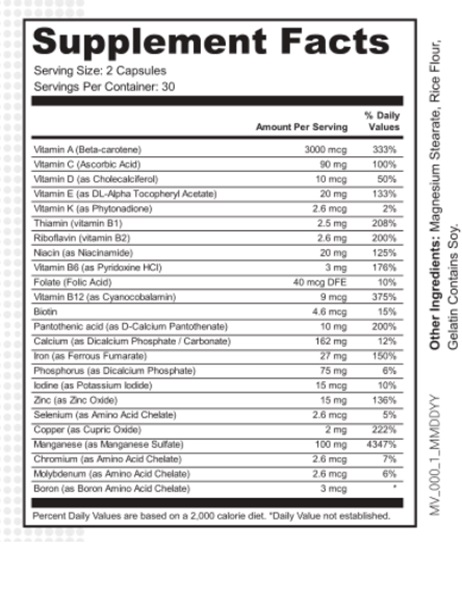
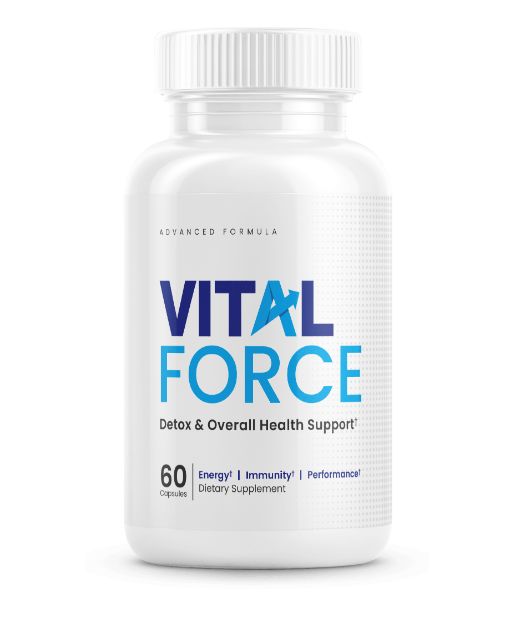
One highly recommended product is Vital Force. It contains all the essential vitamins, minerals like magnesium and calcium, and powerful antioxidants like curcumin, all in a balanced composition. Taking two capsules a day can strengthen your immunity and support a healthy, productive life.
This is an affiliate link, and I will earn a small commission if you make a purchase.
Buy Vital Force Now!Always consult your healthcare provider before starting any new supplement. This is for informational purposes only and not a substitute for professional medical advice.