

HIV and Pregnancy: Essential Information for Expectant Mothers and How to Ensure a Healthy Pregnancy
Introduction
For women who are HIV-positive or have concerns about HIV during pregnancy, understanding the early signs, common symptoms, and risk of mother-to-child transmission is essential. Medical advancements now allow most HIV-positive mothers to give birth to HIV-negative children, but knowing the steps to take for a safe and healthy pregnancy is crucial.
In this guide, we’ll cover what symptoms to look for, how HIV can affect pregnancy, and what you need to know about preventing transmission to your child. Our goal is to provide clear, supportive information so that you feel empowered and informed about your pregnancy journey with HIV.
HIV Symptoms: What Are the Early Signs?
HIV symptoms can vary widely. In the first few weeks after exposure, many people experience what’s known as acute HIV infection or primary HIV infection. This stage, also called “acute retroviral syndrome” (ARS), typically happens within 2-4 weeks of exposure and can look a lot like the flu.
Here are some early symptoms to watch for:
- Fever: A mild but persistent fever is often the first sign of HIV. You may also experience night sweats along with the fever, which can come and go.
- Fatigue: Many people feel extreme fatigue early on. This isn’t the usual tiredness after a long day—it’s a deep exhaustion that rest doesn’t seem to relieve.
- Swollen Lymph Nodes: Swelling in the lymph nodes (neck, armpits, groin) can occur as the body responds to the virus. These nodes may feel tender or sore.
- Sore Throat and Headache: A sore throat and mild headache are common symptoms in the early stages, often mistaken for a cold or flu.
- Skin Rash: An HIV-related rash can appear on the trunk or other areas. It may be red, itchy, or slightly raised and usually appears during the early infection stage.
- Muscle and Joint Pain: Muscle aches and joint pain are common symptoms and can feel similar to a seasonal flu.
If you notice these symptoms, especially after potential exposure, it’s a good idea to consult a healthcare provider and get tested. Early detection allows for better treatment options, which can support your health and, if you’re pregnant, protect your child’s health as well.
Have Questions or Concerns About HIV?
Worried about HIV testing, symptoms, transmission, or treatment? Need personalized answers from an expert you can trust? Dr. PJM is here to help. With over 28 years of experience, Dr. PJM offers reliable, personalized guidance tailored to your HIV concerns.
This is a paid consultation service, ensuring you get dedicated attention and expert advice.
Visit the Home Page and Ask Dr. PJM Now!Get the Answers You Need, Today!
Pregnancy and HIV: What You Need to Know
For HIV-positive women, pregnancy raises specific concerns. The key focus for an HIV-positive pregnant woman is to prevent mother-to-child transmission, ensuring both her health and the health of her baby. With modern medical care, the chances of a mother passing HIV to her baby are lower than ever, often reduced to less than 1% with proper treatment and precautions.
Understanding Mother-to-Child Transmission
Mother-to-child transmission, also known as perinatal transmission, can occur in three main ways:
- During Pregnancy: HIV can cross the placenta, especially if the mother has a high viral load.
- During Labor and Delivery: Contact with blood and other bodily fluids during childbirth can expose the baby to HIV.
- Breastfeeding: HIV can be transmitted through breast milk.
Preventing Mother-to-Child Transmission: Effective Strategies
The goal of HIV treatment during pregnancy is to keep the mother’s viral load as low as possible. Here’s how doctors can help lower the risk of transmission:
- Antiretroviral Therapy (ART):
- What It Is: Antiretroviral therapy (ART) is a combination of medications used to treat HIV. Starting ART as soon as possible is crucial. When taken daily as prescribed, ART can reduce the viral load in the mother’s blood to undetectable levels.
- Why It Works: An undetectable viral load greatly reduces the risk of HIV transmission to the baby, and ART is safe for use during pregnancy.
- Scheduled Cesarean Section:
- When It’s Recommended: If the mother’s viral load is high or there are other risks, a scheduled C-section before labor begins can reduce exposure to HIV during delivery. C-sections aren’t necessary for all HIV-positive mothers, especially if their viral load is undetectable, but they can be an option in specific cases.
- Avoiding Breastfeeding:
- Why It Matters: HIV can be transmitted through breast milk. In areas where safe formula feeding is available, it’s generally recommended for HIV-positive mothers to use formula to eliminate the risk of transmission.
- Regular Monitoring and Testing:
- Testing During Pregnancy: Regular blood tests during pregnancy monitor the mother’s viral load and CD4 count, which are essential for assessing health and managing risks to the baby.
- Testing the Newborn: Babies born to HIV-positive mothers are often tested at birth and periodically over the first few months. If the baby tests negative, they may still receive medication for a few weeks as a preventive measure.
What to Expect During Pregnancy with HIV
Pregnancy care for HIV-positive women includes specific considerations. Here’s a look at what to expect:
- Frequent Health Checkups: HIV-positive mothers will typically have more frequent prenatal visits to monitor their health and the health of their baby. Routine tests will track the baby’s growth and check the viral load and immune system health of the mother.
- Counseling and Support: Many healthcare providers offer support services, including counseling, to help mothers cope with the emotional and practical aspects of managing HIV during pregnancy. Support groups or talking with a healthcare provider can be invaluable for navigating pregnancy.
- ART Adherence: Taking ART medications daily is critical. Adherence ensures that the virus remains at undetectable levels, minimizing risks for both mother and baby. Your healthcare provider may work with you to manage any side effects and ensure a plan that fits your lifestyle.
- Delivery Planning: As your due date approaches, your healthcare team will discuss delivery options based on your health and viral load. If your viral load is undetectable, a vaginal delivery may be safe, but in some cases, a C-section might be recommended.
Worried After a Possible HIV Exposure?
Are you concerned about a possible HIV exposure? Do you seek reliable information to navigate your concerns and make informed decisions about your health? Look no further. Dr. P. J. Mazumdar, a highly experienced physician with over 28 years of expertise, offers a meticulously researched book that provides essential guidance and support.
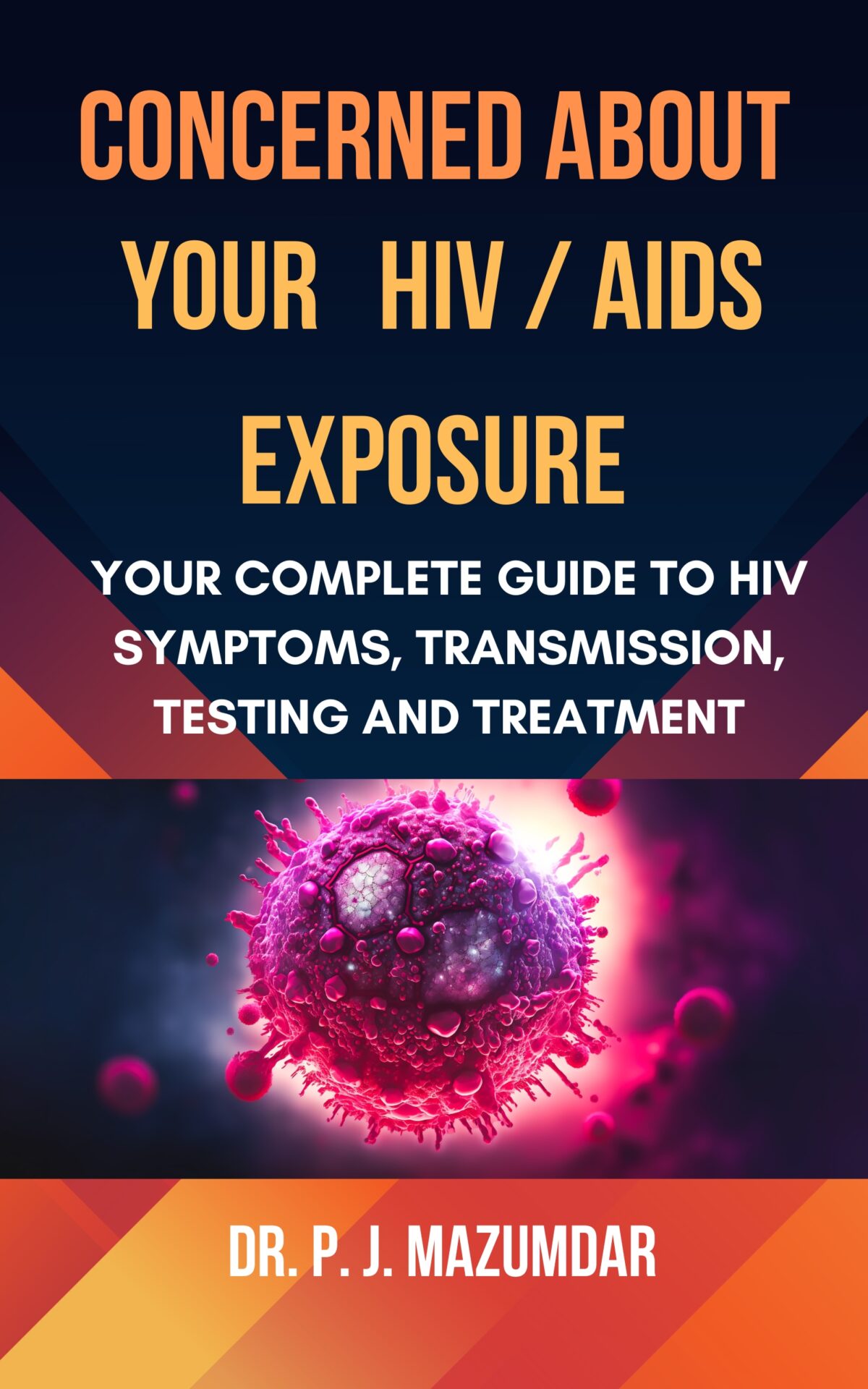
This book provides the information you need for your clarity and understanding.
Don’t Wait. Get Informed.
Available on Amazon Kindle!
Buy Your Copy of “Concerned About Your HIV / AIDS Exposure” Now!Understanding the Risks of Not Treating HIV During Pregnancy
Without treatment, the risk of mother-to-child transmission of HIV can be as high as 25-30%. However, with proper ART, the transmission rate can drop to below 1%. Untreated HIV can lead to complications for the mother as well, including higher risk of infections and worsening immune health.
How Untreated HIV Affects the Baby
- Low Birth Weight: Babies born to HIV-positive mothers without treatment may have a lower birth weight, which can lead to developmental issues.
- Premature Delivery: Untreated HIV can increase the risk of preterm birth.
- Potential for HIV Infection: Most importantly, the baby is at a higher risk of contracting HIV if the mother’s viral load is high during pregnancy and delivery.
Common Concerns for HIV-Positive Mothers
It’s natural to have concerns and questions about HIV and pregnancy. Here are answers to some common questions:
- Can I Have a Healthy Baby if I Have HIV?
Absolutely. With ART and regular monitoring, the risk of HIV transmission to your baby can be lowered to less than 1%. Many HIV-positive women give birth to HIV-negative babies.
- Will ART Medications Harm My Baby?
ART is generally safe for both mother and baby during pregnancy. Your healthcare provider will select a regimen that minimizes any potential risks, ensuring the treatment benefits outweigh any possible side effects.
- Can I Breastfeed My Baby?
Breastfeeding is not recommended for HIV-positive mothers due to the risk of HIV transmission through breast milk. Formula feeding is a safe alternative that eliminates this risk.
- What if I Find Out I’m HIV-Positive While Pregnant?
If you are diagnosed with HIV during pregnancy, starting ART immediately is critical to protect your baby. Early treatment can help lower your viral load and reduce transmission risk.
The Importance of Support During Pregnancy
Pregnancy can be an emotional time, and managing HIV may bring unique challenges. Building a strong support network—whether through healthcare providers, support groups, family, or friends—can make a significant difference. Many communities and online resources provide support and information for HIV-positive mothers, so don’t hesitate to reach out.
Conclusion: Navigating Pregnancy with HIV
Today, HIV doesn’t have to stop you from having a healthy pregnancy and baby. With effective treatment, regular monitoring, and the right support, you can safely navigate pregnancy while minimizing risks. Understanding the symptoms, knowing what to look for, and working closely with your healthcare team can help ensure the best possible outcome for both you and your child.
If you’re pregnant and HIV-positive, remember that you’re not alone. Countless women have gone through this journey and successfully given birth to healthy babies. With knowledge, support, and a proactive approach, you can look forward to a happy, healthy future with your baby.
Key Takeaways
- Recognize Early Symptoms: Be aware of symptoms like fever, fatigue, and swollen lymph nodes if you suspect possible HIV exposure.
- Start ART Treatment: ART is safe during pregnancy and drastically lowers the risk of mother-to-child transmission.
- Routine Checkups Are Essential: Regular monitoring helps ensure a healthy pregnancy and allows your healthcare team to provide the best care.
- Avoid Breastfeeding: Use formula feeding to prevent transmission through breast milk if you’re HIV-positive.
Boost Your Immunity and Health with Vital Micronutrients
A good balanced diet plays a vital role in our lives. It is crucial for our immunity, which protects us not only from infectious diseases but also from chronic conditions like cancer and autoimmune diseases. Proper nutrition keeps our organs healthy, provides energy, supports our reproductive system, keeps us strong, and benefits us in countless other ways.
A well-rounded diet supplies essential micronutrients like vitamins and minerals. But in the fast pace of modern life, few of us can claim to maintain a perfect diet. That’s where supplements come in. Ensuring we get these critical nutrients helps prevent deficiencies that could negatively impact our health.
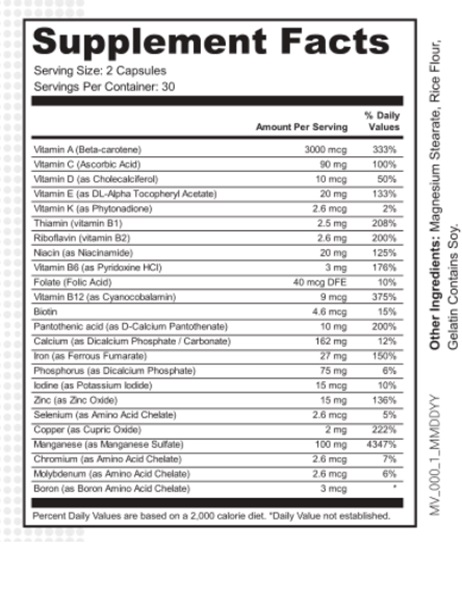
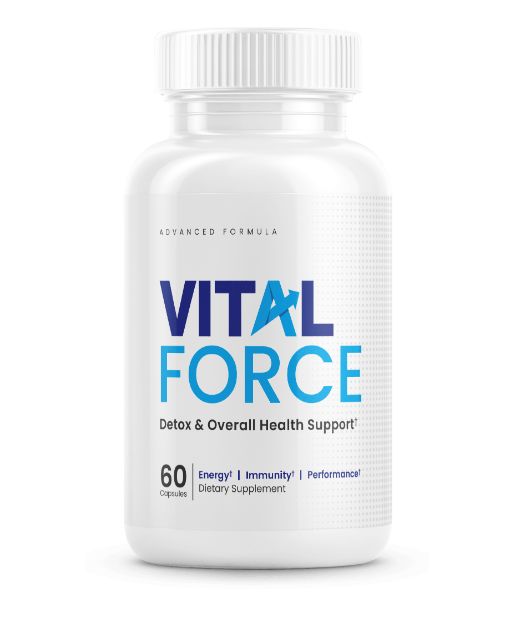
One highly recommended product is Vital Force. It contains all the essential vitamins, minerals like magnesium and calcium, and powerful antioxidants like curcumin, all in a balanced composition. Taking two capsules a day can strengthen your immunity and support a healthy, productive life.
This is an affiliate link, and I will earn a small commission if you make a purchase.
Buy Vital Force Now!Always consult your healthcare provider before starting any new supplement. This is for informational purposes only and not a substitute for professional medical advice.